

International brands come to Japan for a specific visual language. Clean production, strong art direction, and a market that blends trend leadership with precision execution. But when the brief says “Asia-forward, globally relevant,” casting becomes more than choosing good faces. It becomes a strategy question: how do you assemble talent that feels authentic, diverse, and brand-safe for multiple regions and platforms?
That is exactly what Asian models casting in Japan is about. It is not just selecting models who are based in Tokyo. It is building the right mix of backgrounds, styles, and on-camera capabilities to match an international brand’s creative direction, while also managing the practical side of booking, usage, and production logistics inside Japan.
This guide breaks down how casting typically works for international advertising campaigns and how to get better results when your campaign needs diversity and global appeal.
Why international brands cast in Japan for Asia-focused campaigns
Japan is often chosen because it offers high production standards and a deep pool of talent that fits global aesthetics. Brands also like the versatility. One Tokyo shoot can deliver assets that work in multiple markets, especially when the casting supports that intention from day one.
For global campaigns Japan, casting in Japan can help brands achieve:
A modern Asia-forward visual identity
A credible blend of international and local styling
Reliable production schedules with strong crew infrastructure
Talent who can deliver clean, consistent performance for stills and video
The key is aligning casting with where the campaign will actually live: in-store, social, paid ads, e-commerce, OOH, broadcast, or all of the above.

Casting goals: diversity, authenticity, and brand consistency
International advertising briefs often carry two objectives that can pull in opposite directions.
First, diversity. Brands want representation that reflects a broader Asia and a global customer base.
Second, consistency. Brands want the campaign to feel cohesive and unmistakably “on brand.”
That is where diverse model casting Tokyo becomes a real craft. A strong Tokyo casting partner will balance diversity with cohesion, so the campaign looks intentional rather than random.
In practice, that means building a shortlist that considers:
Range of looks and backgrounds
On-camera presence and expression style
Wardrobe fit and styling versatility
Performance needs (posing vs acting, dialogue vs silent roles)
Campaign tone (premium, street, athletic, minimal, playful)
If you are casting for multiple deliverables, such as stills plus video plus social cutdowns, you want talent who can repeat performance cleanly across formats.
The difference between fashion-forward casting and commercial casting
Many global briefs for Japan sit between fashion and commercial. The mood might be editorial, but the deliverables are advertising.
When the campaign leans fashion-forward, casting often focuses on:
Silhouette and strong visual presence
Pose range and confidence with styling
Clean lines for product framing and composition
A look that reads premium under controlled lighting
When the campaign leans commercial, casting often focuses on:
Relatable energy and natural expressions
Performance consistency across takes
Comfort with direction and long shoot days
Clear brand-safe presentation
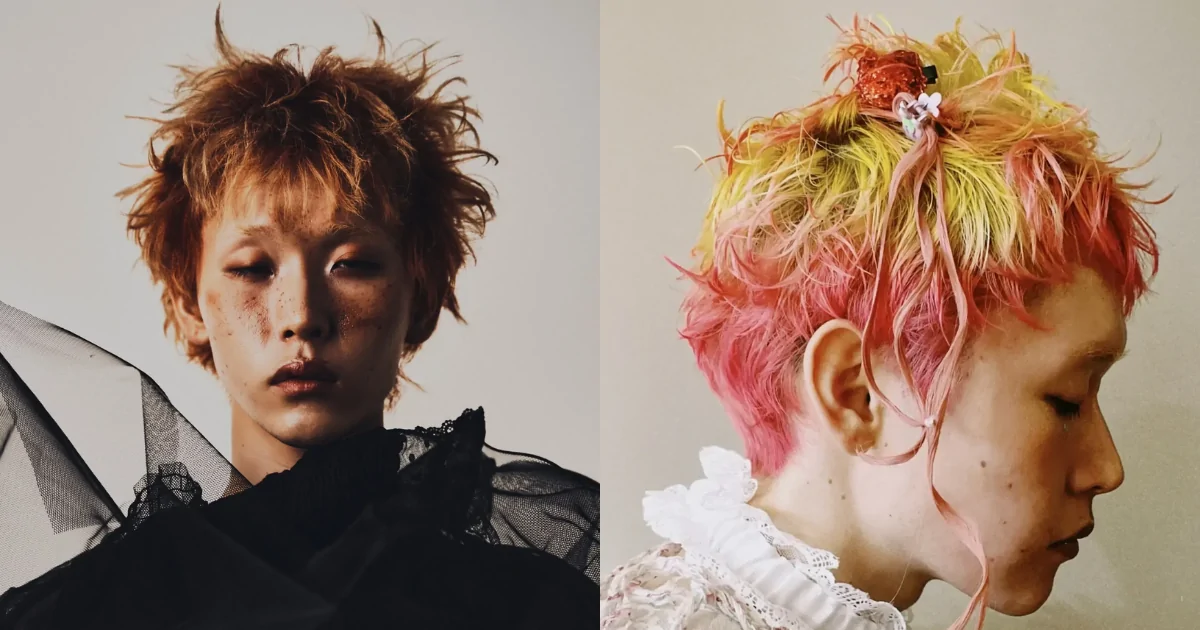
This is why Asian fashion models Japan and commercial talent are sometimes different pools. A good agency can bridge both worlds and provide options that fit the campaign’s true needs, not just the mood board.
If your campaign needs both fashion presence and commercial performance, it helps to review models and talent categories side by side. Liliana Models maintains dedicated sections for Models and Talents, which is useful when your casting includes both editorial-style faces and performance-driven roles.
Shortlisting for international campaigns: what agencies look for
Shortlisting is where Tokyo casting becomes efficient, because it is not just about taste. It is about reducing risk and protecting your schedule.
For international advertising, agencies typically shortlist by combining creative fit with practical filters:
Availability across shoot dates plus fitting days
Conflict checks and category restrictions
Language comfort (especially for video direction)
Professional reliability and responsiveness
Comfort with product interaction and branded performance
When clients say they need Asian talent Japan for a global campaign, what they often mean is: talent who can deliver internationally, with minimal friction, and who will not create surprises on set or in approvals.
Auditions and self-tapes: when performance matters
Not every campaign needs auditions. Many stills-heavy shoots are confirmed from portfolios and shortlists. But as soon as video enters the project, auditions become more common, even if the role has no dialogue.
Auditions or self-tapes are typically used when:
The role requires expressive acting or lifestyle performance
The campaign includes scripted moments or timing
Multiple candidates fit visually and performance is the deciding factor
The brand wants to validate tone before confirming usage
A simple self-tape request usually includes a short intro, natural expressions, and a few directed actions. The goal is not perfection. It is to see how the talent takes direction and whether they match the brand’s energy.
Usage rights: the part that affects casting more than clients expect
For international brands, usage is not just a legal detail. It changes the economics and sometimes the availability of talent.
A campaign that starts as Japan-only often expands. The creative performs well, the brand decides to boost it regionally, and suddenly the usage scope changes. If that expansion was not discussed early, renegotiation can cause delays at the worst possible moment.
For global campaigns Japan, clarify these early:
Territory: Japan, Asia, worldwide
Media: web, social, paid ads, print, in-store, OOH
Term: 3 months, 1 year, 2 years
Exclusivity: competitor restrictions and category conflicts
The smoother path is to be transparent about the likely end state. If you suspect paid global usage, say so. Casting can then be built on realistic terms, rather than optimistic assumptions.

Coordination and logistics for international brands
International advertising in Japan often involves multiple stakeholders: brand HQ, a local production partner, and sometimes a global creative agency. Casting sits inside that complexity, so logistics matter.
A strong agency will coordinate around:
Fittings and wardrobe measurements
Call times and location movement
Multi-day shoots and continuity needs
Weather buffers and rescheduling options
Backup talent planning for tight timelines
This is another reason why agencies push for clear decision deadlines. Tokyo scheduling can move fast, but only when holds and confirmations are managed properly.
If your team wants to see the range of campaign styles supported, reviewing recent work helps align expectations. Liliana’s Portfolio page is a practical reference point when you are deciding whether the roster fits the visual level your brand needs.
What makes a casting partner “international-ready” in Tokyo
International-ready casting is not only about speaking English. It is about anticipating how global teams work and reducing the friction points that slow approvals.
The best casting partners tend to:
Ask usage questions early, not late
Provide shortlists that are realistic and available
Keep presentation consistent so approvals are faster
Support quick pivots when the brief changes midstream
Protect brand safety through conflict checks and clear documentation
This is especially important when you are doing diverse model casting Tokyo for multiple markets. The casting must feel intentional and aligned, not simply “varied.”
Common mistakes brands make with Asia-focused casting in Japan
Most casting issues are predictable. The most common ones include:
Asking for diversity but not defining the campaign tone clearly
Underestimating usage and paid media impact on rates
Changing deliverables after confirmation without aligning terms
Keeping decision timelines vague, causing holds to expire
Overloading the shortlist, which slows approvals and increases confusion
You do not need to know every local norm. You just need to provide the details that allow the agency to run a clean process.
Work with Liliana Models for Asia-forward casting in Japan
If your next campaign needs Asian models casting in Japan with an international standard of coordination, Liliana Models can support you from shortlist to confirmation, with models and talent suited for advertising, fashion-forward branding, and multi-format production.
Start by reviewing the Models roster and Talents roster to align on the right category for your deliverables. When you are ready to request options, share your brief, dates, and intended usage via the Contact page.
