


E-commerce photography looks simple when you see the final product page. Clean images, consistent lighting, the same pose angles, and a clear focus on the item. But behind the scenes, it is one of the most detail-driven types of production you can run in Tokyo. The difference between a smooth shoot and a stressful one usually comes down to how you book the talent.
When you book e-commerce models Tokyo the right way, your shoot day becomes predictable. Your sizes match the samples. Your model arrives prepared. Your shot list actually gets finished. And your final images are consistent enough to build trust across your entire product catalog.
This guide walks you through a practical, real-world process for booking models in Tokyo for e-commerce product photography, especially if you are an overseas brand or an online store scaling content fast.
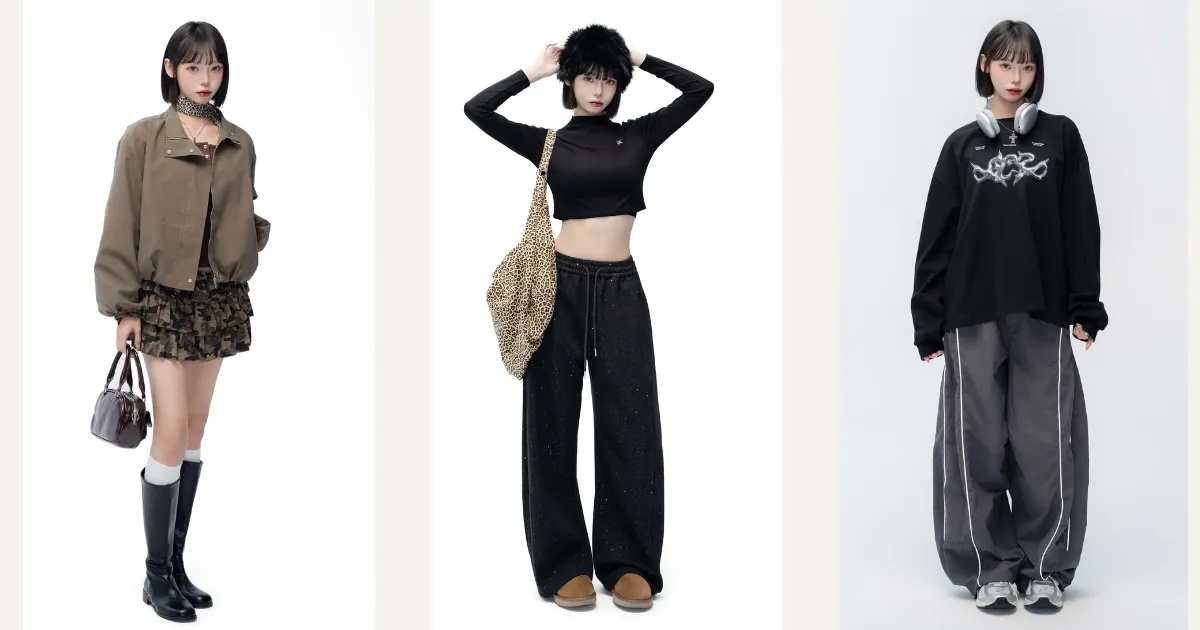
Start by deciding what “e-commerce” means for your brand
Not all e-commerce content is the same. Some brands need fast, high-volume catalog images. Others need premium lifestyle shots that still convert on product pages. Before you cast, define your content level.
Ask yourself:
Are these images for product pages only, or will you also use them for ads and social content?
Do you need stills only, or stills plus short video clips?
Do you want clean studio content, lifestyle scenes, or both?
How many products, how many looks, and how many shooting hours?
These decisions shape the casting. They also shape cost, timing, and the type of model that will actually perform well on set.
If you are unsure whether you need strictly models or a mix of models and performance-friendly talent, it helps to review both categories early. Start with the Models roster and compare it with the Talents roster to see what best fits your deliverables.
Build a casting brief that gets you the right shortlist
Most e-commerce casting problems come from vague briefs. If the brief is unclear, you will receive a wide range of options, approvals will slow down, and wardrobe issues will show up on shoot day.
A strong brief for online store model casting should include:
Product category and audience (streetwear, luxury, skincare, activewear, accessories)
Content type (catalog, lifestyle, UGC-style, premium editorial e-commerce)
Shoot dates, time blocks, and location (studio or on-location)
How many products and how many outfit changes
Sizing requirements and whether you have samples only
Hair and grooming expectations (natural, clean, polished, bold styling)
Any visible requirements (no tattoos, natural nails, specific hair length)
Usage plan (where the content will be used and for how long)
E-commerce casting moves fast when the brief is specific. When it is vague, you lose time later fixing avoidable issues.
Choose the right model type for the product
This is the part many brands overlook. The “right model” is not only about appearance. It is about fit, performance, and consistency across high-volume production.
For apparel, fit and measurements matter because samples often come in one size range. If the model does not match that range, styling becomes a problem, and your product looks wrong on camera.
For accessories, jewelry, and small items, you may need models who can pose precisely, hold product consistently, and maintain clean hands and posture across repetitive frames.
For beauty and skincare, you may need talent with strong skin presentation, comfort with close-ups, and a calm, controlled expression range.
When you are booking e-commerce models Tokyo, it helps to think like a production manager. Who will make the workflow easiest while still matching your brand tone?
What to ask for in a shortlist
A shortlist should not overwhelm you. The goal is a short list of candidates who are genuinely bookable and aligned with your shoot dates, sizing needs, and campaign usage.
For product photography models Japan, a strong shortlist typically includes:
Current images that reflect the model’s present look
Basic measurements and sizing notes
A sense of pose range and on-camera comfort
Availability confirmation for shoot dates and fitting time
Any relevant experience, especially for e-commerce volume shoots
If you are building a long-term content pipeline, consistency matters. You may also want to shortlist 2 to 3 “repeatable” faces who can become your reliable rotation for monthly product drops.
The difference between a good e-commerce model and a good fashion model
Some fashion models are excellent for editorial energy, but e-commerce requires something slightly different. E-commerce rewards repeatability and precision.
A good e-commerce model can:
Hit the same angles repeatedly without drifting
Move quickly between looks without losing posture
Keep expressions consistent, especially for catalog sets
Follow direction fast without needing many resets
Maintain energy through long shooting blocks
This is why Tokyo ecom shoots often run smoother when you cast for professionalism, pace, and consistency, not only aesthetics.
Fittings and samples are not optional in Tokyo e-commerce
If you are shooting apparel with samples, fitting planning can save your entire day. Many brands skip fittings to save time, then lose more time on shoot day fixing styling problems.
If possible, schedule a fitting or at least a sizing confirmation step before shoot day. Even a short fitting window can prevent issues like:
Garments sitting incorrectly
Sleeves or inseams looking off
Waistbands not sitting properly
Necklines not laying flat
Shoes not fitting or looking unstable
This is especially important when your e-commerce shoot involves multiple outfit changes and tight time blocks.
Usage and rights matter even for “simple” product photos
A lot of online stores assume e-commerce photos are low risk, so they ignore usage planning. Then they decide to run paid ads, list on marketplaces, or use images across multiple regions.
That is where confusion starts.
When you book model booking for ecommerce, clarify usage up front:
Will the images be used only on product pages, or also in paid ads?
Is the content Japan-only, or global?
How long do you expect to use the images?
Do you plan to reuse the same images across future campaigns and channels?
You do not need to overcomplicate it. You just need to be honest about what is likely. If the images may end up in ads or global placements, it is better to structure the booking correctly from day one.
Scheduling and hold windows for fast e-commerce production
E-commerce shoots often operate on tight calendars. Product launches do not wait, and reshoots are expensive. That means booking discipline matters.
A clean booking process includes:
A clear decision deadline
Confirmed time blocks, not vague “sometime that day” scheduling
A backup option if your first choice is held elsewhere
A simple plan if the shoot date shifts
If your internal approvals take time, say so early. A good agency can still manage holds, but only if the timeline is clear.
Shot lists and pose consistency
One of the biggest benefits of casting the right model is how quickly the shot list gets completed.
E-commerce shot lists are repetitive by design: front, side, back, detail, lifestyle, movement, and sometimes short clips. The model must stay consistent across many products. A strong model will maintain the same energy even as wardrobe and styling changes.
If you are producing high volume, it helps to share your shot list format in advance so the model arrives ready for the rhythm of the day. This is where experienced e-commerce models Tokyo can save you hours without you even noticing.
How to run the shoot day so it stays calm
The best e-commerce shoot days feel almost boring. That is a good sign.
A calm day usually includes:
Clear call time and check-in expectations
A consistent styling flow (hair, makeup, wardrobe, then set)
A pre-planned order of looks to reduce changes
A predictable cadence for camera setups
A single person consolidating feedback
If you are shooting multiple models, plan the rotation so the set is never waiting for hair and wardrobe.
If you want to align on production style and quality level before you cast, reviewing prior work can help your team set the right expectations. Use the Portfolio as a reference point when you are matching casting to your brand’s visual standard.
Common mistakes brands make when booking e-commerce models in Tokyo
The issues below show up again and again, even for experienced teams.
They cast for aesthetics only and forget sizing and pace.
They skip usage planning, then want to run ads later.
They overload the shortlist, which slows approvals.
They ignore fitting time, then lose hours on shoot day.
They do not define grooming standards and get mismatched looks.
Avoiding these mistakes is not complicated. It just requires a structured brief and disciplined booking.
Booking e-commerce models with Liliana Models
If you need e-commerce models Tokyo for product photography, catalog shoots, or premium lifestyle e-commerce content, Liliana Models can support casting, shortlisting, and bookings with a clean process that protects your schedule.
Start by reviewing the Models roster to shortlist candidates aligned with your product category and sizing needs. If your shoot includes performance, hosting energy, or more expressive delivery for short video clips, also review the Talents roster. When you are ready to request options, share your brief, dates, deliverables, and intended usage through the Contact page so the team can guide next steps quickly.
