


E-commerce content is not glamorous, but it is one of the most important categories for revenue. Your product pages need images that are consistent, clear, and reliable across dozens or hundreds of items. And the moment consistency breaks, your store starts to feel messy. Buyers lose trust, conversion drops, and returns increase because customers cannot understand fit and sizing.
That is why booking e-commerce models Japan is a different kind of casting. The goal is not drama. The goal is repeatability. The best e-commerce shoots feel calm and mechanical, because every item is captured in the same standard, with the same body reference, and the same clean workflow.
This guide explains how e-commerce model booking works in Japan, what to include in your brief, and how to run a shoot in Tokyo that stays fast, consistent, and scalable.

What makes e-commerce casting different from campaign casting
Campaign casting is about mood. E-commerce casting is about system.
E-commerce needs:
Consistent fit reference across items
Neutral expression and clean posture
Repeatable pose set, front, side, back, detail
Comfort changing quickly across many looks
Reliability across long shoot blocks
Sizing accuracy so the product reads correctly
If you cast like a campaign, your e-commerce set will drift. Some products will look taller, some shorter, some tighter, some looser, purely because the model and posing were not consistent.
This is why ecommerce casting Tokyo should start with standards, not with aesthetics.
Start with your e-commerce image standards
Before you book talent, define what your store needs. Different brands have different standards.
Common e-commerce formats:
White background packshots with standardized pose set
Studio lifestyle on seamless with minimal mood
In-room lifestyle for premium brands
Flat lay plus model plus detail sets
360 or motion clips for fit demonstration
Once you define the format, you can cast and schedule correctly. The more “system” your store needs, the more you should prioritize models who can deliver consistency.
Build a brief that protects consistency and speed
Your e-commerce brief should be practical. Agencies cannot shortlist correctly if you only describe a “look.” They need to know the workload and the structure.
A strong brief for catalog shoot Japan includes:
Product category, apparel, footwear, accessories, outerwear
Sample sizes available and the target model size
Daily item count and total SKU count
Shoot format, white background, lifestyle, or both
Pose list, front, side, back, details, walking clips
Styling rules, tucked vs untucked, sleeve roll rules, shoe pairing
Grooming rules, hair style consistency, nails, makeup finish
Shoot dates, time blocks, expected number of changes
Usage plan (website, marketplaces, paid ads, global or Japan-only)
The clearer the brief, the smoother the shoot.
Sizing is the most important casting factor
A lot of e-commerce shoots fail because the model does not match the samples. The wardrobe team then pins, clips, and cheats, which creates inconsistent fit presentation. Customers notice, even if they cannot explain why.
For product page models Tokyo, confirm early:
Exact measurements needed, bust, waist, hips, height, inseam
Shoe size if footwear or full looks are involved
Whether the store is showing a “true fit” or a styled fit
Whether you need multiple sizes, small, medium, large blocks
Whether the model must stay consistent across multiple shoot days
If you are shooting across weeks, consistency becomes even more important. The same model body reference helps customers trust what they are seeing.
One model or multiple models: choose based on your catalog
Some stores use one model for everything to keep consistency. Others use multiple models to show range.
One model works best when you want a clean consistent store look and a stable fit reference.
Multiple models work when you have multiple size ranges, multiple gender presentations, or a brand that sells inclusivity.
If you choose multiple models, define the system: which sizes each model represents, and which categories each model will shoot. Without a system, your store becomes visually inconsistent.
The pose set: keep it standardized
E-commerce photography is not about creativity. It is about repeatability.
A basic pose set might include:
Front neutral
Side neutral
Back neutral
Three-quarter angle
Detail shots for closures, pockets, fabric texture
If you are filming motion clips, add:
Short walk cycle
Simple turn
Fabric movement action, small step, sleeve pull, pocket use
This repeatable pose list makes online store photography Japan faster and easier to edit. It also reduces the number of retakes because everyone knows the standard.
Styling and grooming: keep it neutral and controlled
E-commerce styling should support the product, not fight it. Brands often over-style e-commerce and lose clarity.
Common best practices:
Neutral grooming and makeup, clean skin finish
Hair that stays consistent across the whole day
Minimal jewelry unless it is the product
Consistent undergarments that do not show lines
Standard shoe and accessory rules so looks match the store style
If your store has a premium aesthetic, you can still keep it controlled. Premium does not mean complicated. It means clean.
How to plan a fast e-commerce shoot day in Tokyo
Speed comes from batching and clear roles. Tokyo production teams are good at efficient workflows when the plan is structured.
A smooth day often includes:
Pre-sorting garments in shooting order
Steaming and prepping looks before the model changes
A clear checklist for every SKU so nothing is missed
A “one person approves” rule to avoid re-shoots later
Regular quick breaks so energy stays stable and posture stays consistent
E-commerce days can be long. The model needs stamina and the team needs rhythm.
Quality control: the things you should check on set
Small errors are expensive when you discover them after the model leaves. On set, check:
Correct item numbers and SKU tracking
Consistency in pose and framing
Hair and makeup continuity
Fit issues, twisting seams, uneven hems
Product label visibility when required
Stains, lint, and wrinkles that cameras catch easily
These checks keep your reshoot rate low.
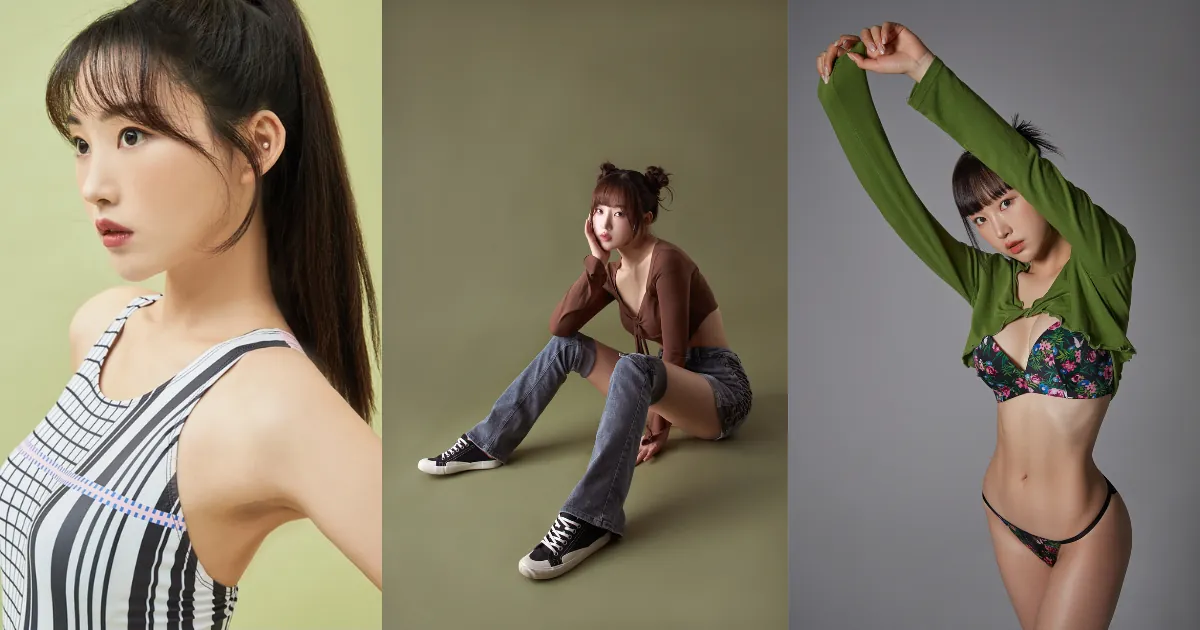
If you want a reference point for overall production level and styling cleanliness, the Portfolio can help align your internal team on what “clean and consistent” looks like across different shoots.
Usage rights: even e-commerce content needs clarity
Some brands assume e-commerce images are automatically free to use anywhere. You still need usage clarity, especially if you use product page images in paid ads, marketplaces, and partner campaigns.
Define:
Territory, Japan-only or global
Term length, 6 months, 1 year, 2 years
Media, website, marketplaces, paid social ads, print lookbooks
Partner usage, whether distributors can reuse images
Editing rights, cropping, resizing, cutdowns, color adjustments
This protects your marketing team when they repurpose e-commerce assets later.
Common mistakes in e-commerce casting in Japan
Most issues repeat:
Booking models that do not match sample sizes
Not standardizing poses, leading to inconsistent catalog appearance
Over-styling, making products harder to understand
Failing to track SKUs properly, causing missing items
Not checking continuity, leading to visible drift across images
Under-defining usage, then needing paid ads later
E-commerce is easy when the system is clear.
Work with Liliana Models for e-commerce bookings in Japan
If you are booking e-commerce models Japan and want a smooth, scalable workflow for product pages and catalogs, Liliana Models can support shortlisting and bookings based on your sizing needs, catalog format, and shoot schedule.
Start by reviewing the Models roster to identify talent aligned with clean commercial standards. If your e-commerce content includes more lifestyle video or speaking moments, also review the Talents roster. When you are ready to request options, share your brief, sample sizes, and shoot dates via the Contact page so the team can guide next steps quickly.
