


Most brands plan their shoot around faces, outfits, and locations. Then the edit begins, and suddenly the most important frames are not the wide shots. They are the close-ups. The twist of a cap. The swipe of a serum. The clasp of a bracelet. The tap on a phone screen. The slow pour into a glass. And in those frames, the “main model” often becomes secondary. The hands become the hero.
That is why hand models Tokyo is a niche that quietly matters more than people think. It is not glamorous on paper, but it is the difference between premium and almost-premium, between clean and slightly distracting, between a product shot that sells and a product shot that feels off.
This guide explains what hand models actually do, which campaigns need them, how to cast them correctly in Tokyo, and what brands should plan before shoot day so the close-ups look intentional.
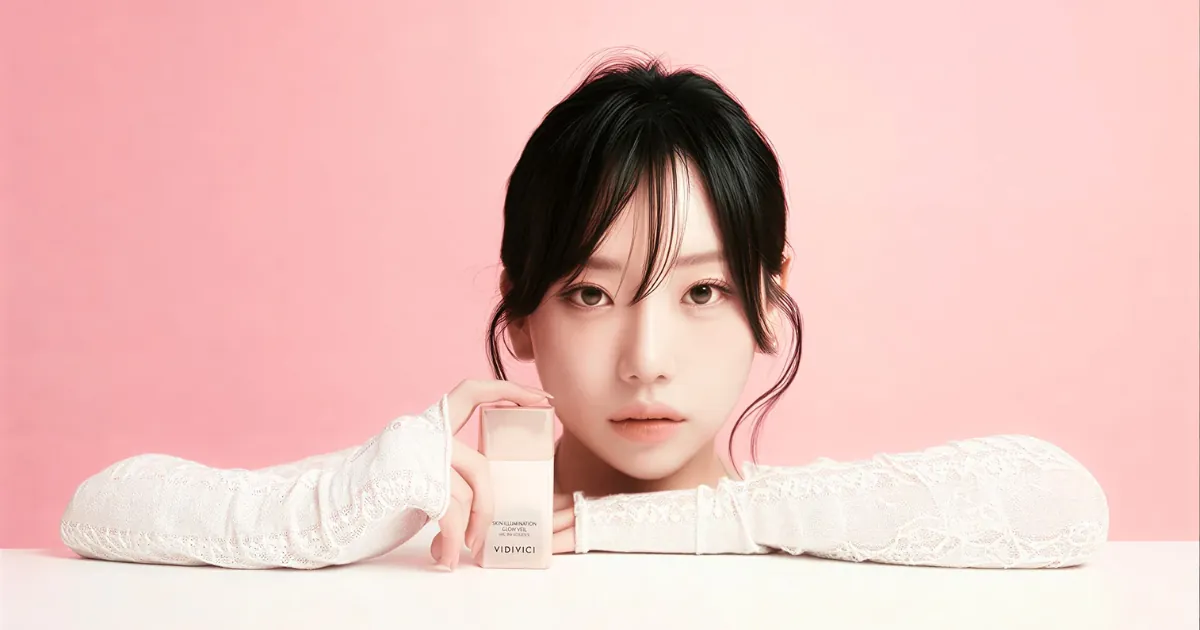
Liliana Models books hand and other body-part models through parts model casting.
What is a hand model, really?
A hand model is booked specifically for close-up shots where hands are the focus of the frame. Sometimes it is a dedicated hand talent. Sometimes it is the same person as the face model if the hands match the standard. The problem is that brands often assume hands are “fine” until they see the footage.
Hand modeling is a skill, not just an appearance. A good hand model can repeat the same movement cleanly, hold posture without shaking, follow micro-direction, and make product handling look natural without blocking the label.
That is the heart of commercial hands casting. You are not casting “nice hands.” You are casting control, consistency, and camera-friendly handling.
Why brands forget hand models until it is too late
It happens all the time. The campaign is cast, the schedule is set, and then a shot list is shared that includes ten close-ups per product. Suddenly you realize:
Nails are not the right style for the brand
Hands look dry under strong lighting
Product handling blocks the logo
Movement is shaky or inconsistent
A jewelry clasp shot is taking thirty takes
The “simple close-up” is eating half the day
The cost of fixing this in post can be high, and some issues cannot be fixed at all. It is often faster and cheaper to plan hand casting early.
Campaign types that benefit most from hand models in Tokyo
Hand modeling shows up across industries, but there are a few categories where it is almost always worth considering.
Beauty and skincare
Beauty campaigns are close-up heavy. Even when the face is visible, the hands appear constantly: applying product, holding packaging, dispensing serum, rubbing texture, tapping on the skin.
This is where cosmetics hand shots either look premium or look distracting. Clean nails, smooth movement, and consistent product handling are part of brand trust.
Jewelry and watches
Jewelry and watches are detail products. Hands are literally the display stand. The wrong hand presentation can make a luxury piece feel less expensive.
A strong jewelry hand model Japan booking focuses on wrist shape, finger posture, nail finish, and the ability to hold a pose without micro tremors that ruin macro shots.
Tech and apps
Tech close-ups need precision: tapping, swiping, holding devices at the correct angle, and keeping screens readable. Hands must look modern, clean, and neutral.
Food and beverage
Pouring, stirring, plating, and packaging close-ups require steady motion and clean presentation. Nails, skin texture, and movement control all matter.
E-commerce product close-ups
Even in simple catalog work, many brands need detail frames for texture, closures, zippers, buttons, and packaging. This is classic product close-up modeling where repeatability matters.
What “good hands” means for a brand
Different brands want different hand standards. Some want minimal and natural. Some want high gloss beauty. Some want neutral with no personality so the product stays the hero.
Before you cast, define these variables:
Nail style: bare, clear, neutral polish, brand color
Nail length and shape: short and practical, or longer and stylized
Skin finish: natural, dewy, matte, highly moisturized
Hands as character: clean and minimal, or expressive and fashionable
Visible identifiers: tattoos, scars, rings, jewelry, all allowed or not allowed
If the campaign is premium, you need these decisions in the brief, not on shoot day.
Skill matters more than most people expect
Hand modeling is full of micro-movements. The best hand talent can do things that save hours on set:
Repeat a motion the exact same way across takes
Hold product without covering the label
Angle the hand to avoid glare and shadow
Move slowly without looking unnatural
Keep wrists relaxed so veins and tension do not distract
Take direction fast, even when it is extremely specific
This is why hand models Tokyo can make a shoot feel smoother. When close-ups are planned, the day stays on schedule.
When you can use the main model’s hands and when you should not
Sometimes the face model’s hands are perfect, and using one person keeps continuity. But this works only when the hands meet the campaign standard and the model can perform the close-up movements cleanly.
You should consider a dedicated hand model when:
The campaign is macro heavy, especially for beauty or jewelry
Hands must look a specific way that is hard to guarantee
The shot list has many repetitive handling actions
You need extreme steadiness and repeatability
You want to protect time on set and reduce retakes
A split approach is also common: use the main model for wider lifestyle frames and bring a hand model for the tight macro frames that require precision.
How to brief hand talent so results are consistent
A hand modeling brief does not need to be long, but it must be specific.
Include:
Product type and the exact actions required
Nail rules and any grooming requirements
Whether hands will be the only visible body part
Lighting style, clean studio, natural light, moody cinematic
Continuity needs, especially if multiple products are shot
Usage scope and where the content will run
If you already have a visual direction for the campaign, it helps to align on quality and finish by sharing internal references. You can also sanity-check the production level you want by browsing the Portfolio to keep the casting standard aligned with your brand finish.
Prep matters: the unglamorous work that makes close-ups look premium
Hand shots reveal everything. Brands often plan wardrobe and makeup, but forget hand prep.
A good prep plan includes:
Moisturizing schedule before shoot day
Avoiding activities that cause cuts, redness, or nail damage
Nail maintenance with the agreed finish
Avoiding heavy fragrances or oils if product handling is sensitive
On-set touch-ups, including moisturizer, powder, and lint control
For jewelry and watch shoots, also plan for ring marks and pressure marks that can appear quickly under macro lenses.
Shot planning: how to avoid wasting time on close-ups
Close-ups can eat time because each action needs multiple angles and retakes. The solution is simple: plan the close-up block like its own mini shoot.
A smoother close-up workflow includes:
Grouping similar actions together
Capturing hero close-ups early while energy is fresh
Keeping product reset tools ready, tissues, wipes, backups
Having a clear list of must-have angles
Assigning one person to approve close-ups in real time
This structure turns commercial hands casting into a time saver rather than an extra complication.
Usage rights still apply, even if it is only hands
Many brands assume hand shots are less sensitive. They are still a person’s likeness and performance, and usage should be clear.
Define:
Territory: Japan-only, regional, worldwide
Term length: 3 months, 1 year, 2 years
Media: web, social, paid ads, print, in-store, out-of-home
Whether paid usage is included
Whether the content can be edited, cropped, and repurposed
This becomes especially important when hand shots are used in paid ads or on marketplaces. A winning close-up often gets reused far longer than planned, so it is better to structure usage honestly from the start.
Common mistakes brands make with hand model casting
Most issues are predictable:
They book too late and accept whatever is available
They forget nail rules until shoot day
They ignore movement skill and cast for appearance only
They do not plan close-up blocks, so the shoot runs overtime
They assume post-production will fix everything
They under-define usage, then want paid ads later
If you fix these, hand modeling becomes easy and the results look instantly more premium.
How Liliana Models can support close-up focused casting
If your campaign includes product close-ups, it helps to think about casting beyond faces. Whether you need a dedicated hand model or a main model with strong close-up performance, Liliana Models can support your casting process based on your brief, usage needs, and production timeline.
You can start by reviewing the Models roster to explore candidates who fit clean commercial and fashion standards. If your close-up work is part of a broader performance-led shoot, you may also want to review the Talents roster for on-camera comfort and natural product handling. When you are ready to share your close-up shot list, nail rules, dates, and usage plan, reach out through the Contact page and the team can guide next steps.
Related guides
▶ Beauty Campaign Casting in Japan: Skin, Hands, and Close-Up Standards
