


Luxury campaigns live and die on details. The lighting is controlled, the styling is intentional, the set is calm, and every frame needs to feel elevated without trying too hard. In Japan, that standard is even sharper. The production environment is professional, the expectations are high, and brands can tell quickly when casting is not aligned with the level of the campaign.
That is why luxury model casting Japan is not the same as casting a regular fashion shoot. Luxury casting is less about “who looks good” and more about who carries the brand’s world: presence, discipline, restraint, and the ability to hold a premium mood for hours without slipping into over-posing or casual energy.
This guide explains how luxury casting typically works in Japan, what premium brands expect on set, and how to book talent that makes your campaign feel truly high-end.
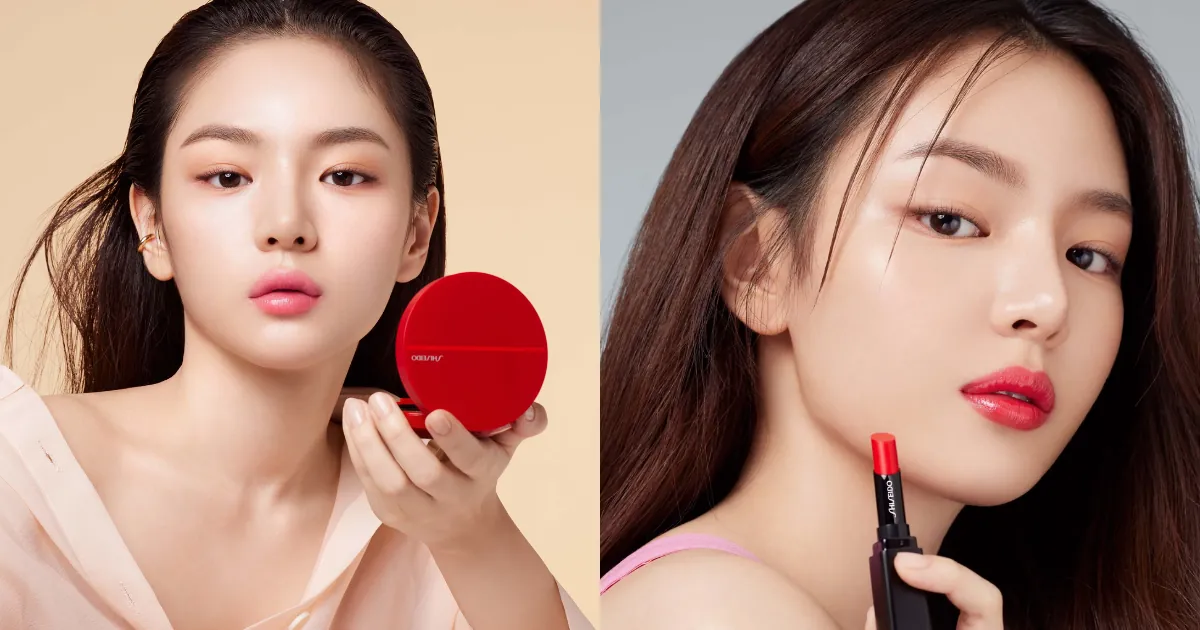
For how we shortlist and book models for campaigns, see our model casting page.
What makes luxury casting different in Tokyo
Luxury is often quieter than commercial work. Even when the campaign is bold, the performance is usually controlled. Brands want elegance that reads as natural, not forced.
In high-end brand shoots Tokyo, the model is not just wearing the product. They are creating the atmosphere around it. The posture, the micro-expressions, the hand placement, the pacing, and the ability to stay composed under pressure all matter more than people expect.
Luxury casting is also less forgiving of mismatch. A model can be excellent and still be wrong for the brand’s visual language. Luxury brands care about consistency, and that includes how the talent reads in motion, in close-up, and in long takes.
Build a luxury casting brief that is specific enough to protect the vibe
Luxury shortlists go wrong when the brief is generic. The agency submits “beautiful options,” but the brand wants something narrower: a particular kind of calm, a particular kind of confidence, and a particular kind of styling compatibility.
A strong brief for luxury advertising Japan should include:
Your brand mood (minimal, heritage, modern, bold, quiet, cinematic)
Visual references for lighting and texture (soft daylight, glossy studio, high contrast)
Deliverables (stills, video, cutdowns, social crops, e-commerce)
Styling direction (tailored, oversized, sharp lines, soft drape, jewelry focus)
Grooming requirements (hair flexibility, nail rules, makeup finish)
Performance notes (still presence, walking, simple acting, product handling)
Shoot dates, time blocks, fitting needs
Usage plan (territory, term length, media types, paid ads or not)
Exclusivity requirements (category conflicts and duration)
Luxury casting is faster when everyone is aligned on the “world” of the campaign. It becomes slow when stakeholders interpret “premium” differently.
Choose the right category: model, talent, or a premium mix
Some luxury campaigns are pure fashion presence. Others include lifestyle performance, speaking moments, or a narrative tone that requires controlled acting.
If your campaign is still-led with fashion posture, you will likely prioritize premium fashion models Japan. If you need more natural lifestyle performance on video, you may include talent categories as well.
A practical approach is to review both rosters early so you are not forcing one category to do the job of the other. Start with the Models roster for fashion and premium stills, then check the Talents roster if your campaign includes performance, hosting energy, or more expressive delivery.
How luxury shortlists are built without overwhelming approvals
Luxury clients usually want curated options, not volume. Ten “good” options slows approvals. Five excellent, on-brief options moves faster.
A strong luxury shortlist typically includes:
Current images that match the model’s present look
A clear sense of posture and restraint, not only dramatic poses
Availability confirmed for shoot dates and fitting windows
Notes on experience with premium campaigns and direction discipline
Backups that still live in the same brand world
This is where editorial casting Tokyo can be useful as a reference point. Editorial-level presence often overlaps with luxury, especially for brands that value silhouette, attitude, and controlled expression. The difference is that luxury often needs more brand restraint than pure editorial experimentation.
Presence is the real luxury skill
Luxury modeling is full of micro-decisions. The model cannot rely on big expressions. They must create impact with small shifts.
Brands tend to look for:
Stillness and control, especially for close-ups
Confidence that feels calm, not loud
Elegant posture that holds across long takes
The ability to look expensive without trying to look expensive
Consistency across multiple looks and wardrobe changes
This is why luxury casting often benefits from a quick movement test or short self-tape, even when there is no dialogue. It reveals whether the model can maintain that premium presence in motion.
Styling compatibility: luxury is unforgiving
Luxury styling is built around fabrics and details. A tailored jacket, a structured handbag, a fine watch, or a jewelry close-up requires precision.
During luxury model casting Japan, it helps to confirm:
How the model carries structured wardrobe
Whether the neck, hands, and posture support accessories
Whether the model looks natural in minimal makeup
Whether hair can be styled to match the brand’s finish
Whether grooming details are clean enough for close frames
Luxury campaigns often include hand, wrist, and product handling. Even when the main focus is the face, the camera will catch everything.
Etiquette and set behavior matter more than you think
Luxury brands notice professionalism. They notice how talent communicates, how they handle direction, and how they behave during downtime. In Japan, set culture tends to be respectful and precise, which fits luxury well.
Brands expect:
Punctuality and readiness, arriving early and calm
Clear, polite communication with crew and production
Comfort with slow, detail-driven adjustments
A steady attitude, even when plans shift
Respect for wardrobe, accessories, and set rules
This is not about being stiff. It is about being reliable. Luxury campaigns run smoother when the set stays quiet, controlled, and focused.
Direction style: luxury requires disciplined listening
Luxury direction often sounds simple, but it is exact. Tiny changes create big differences: chin angle, eye softness, shoulder position, breath timing, finger placement.
Models who succeed in high-end brand shoots Tokyo usually:
Take direction quickly without overcorrecting
Repeat a performance consistently across takes
Hold stillness under close framing
Stay composed through long reset cycles
Understand that restraint is the point
If the model is expressive in a commercial way, the campaign can feel too loud. Luxury performance is about control.
Usage rights and exclusivity must be clear early
Luxury assets often live longer than expected. A hero image can become the brand’s reference for months. A campaign video can be repurposed into paid placements and in-store screens.
That is why usage clarity is part of casting, not paperwork afterward. Before you confirm, define:
Territory (Japan-only, regional, worldwide)
Term length (3 months, 1 year, 2 years)
Media (web, paid social, print, in-store, out-of-home)
Paid usage (yes or no)
Exclusivity (category restrictions and duration)
Exclusivity is common in luxury, especially for watches, jewelry, beauty, and premium fashion. If you want exclusivity, define the category clearly. Vague exclusivity slows everything down.
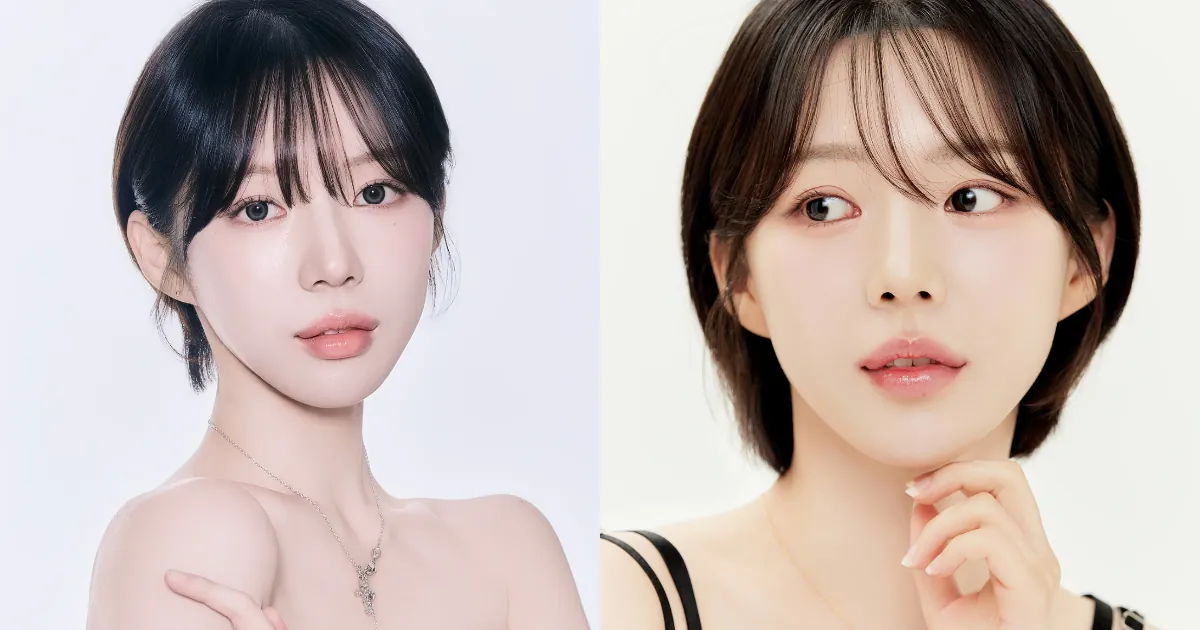 luxury model casting Japan
Scheduling and holds: protect premium options with decision timing
Luxury talent availability can shift quickly, especially during peak production seasons. If you want your first choice, holds must be managed carefully.
A clean luxury booking flow includes:
A curated shortlist with availability confirmed
Hold windows set for finalists
A clear decision deadline from the client
Backups held until confirmation
Fast confirmation once approvals are complete
If your approvals involve multiple stakeholders, consolidate feedback. Luxury casting loses time when several people give conflicting notes on a short list.
Common mistakes brands make in luxury casting in Japan
Most luxury casting problems come from predictable habits:
Using a generic brief that does not define the brand mood
Overloading the shortlist and slowing approvals
Casting for beauty only and ignoring presence and discipline
Ignoring grooming rules, then losing time fixing details on set
Under-defining usage, then wanting paid ads rights later
Requesting exclusivity without defining category and duration
Luxury campaigns succeed when the brief is tight, the shortlist is curated, and usage is defined early.
Work with Liliana Models for luxury casting in Japan
If you are preparing luxury model casting Japan and want a structured, premium-ready casting process, Liliana Models can support shortlisting and bookings based on your brand mood, deliverables, and usage needs.
To align your team on the level and style of work before casting, review the Portfolio. Then explore the Models roster for premium fashion casting and the Talents roster if your campaign includes controlled lifestyle performance on video. When you are ready to request options, share your brief and dates through the Contact page so the team can move quickly with a curated shortlist that fits your luxury campaign.
Related guides
▶ Casting for Japanese Fashion Shows: Backstage, Fittings, and Booking
▶ How Brand Ambassadors in Japan Are Cast for Events and Retail
