


Tokyo is one of the most visually dynamic cities in the world, and it is also one of the most international production hubs in Asia. Global brands come here for fashion, beauty, tech, lifestyle, and advertising shoots that need a clean, modern look. As campaigns become more global, brands increasingly want casting that reflects real audiences.
That is why multicultural models Tokyo has become a major focus for international work. Done well, multicultural casting makes a campaign feel current, inclusive, and globally relevant. Done poorly, it can feel forced, performative, or inconsistent with the brand’s identity.
This guide explains how to approach multicultural casting in Tokyo with clarity and authenticity, so your shortlist is strong, approvals are faster, and the final assets feel natural for global audiences.
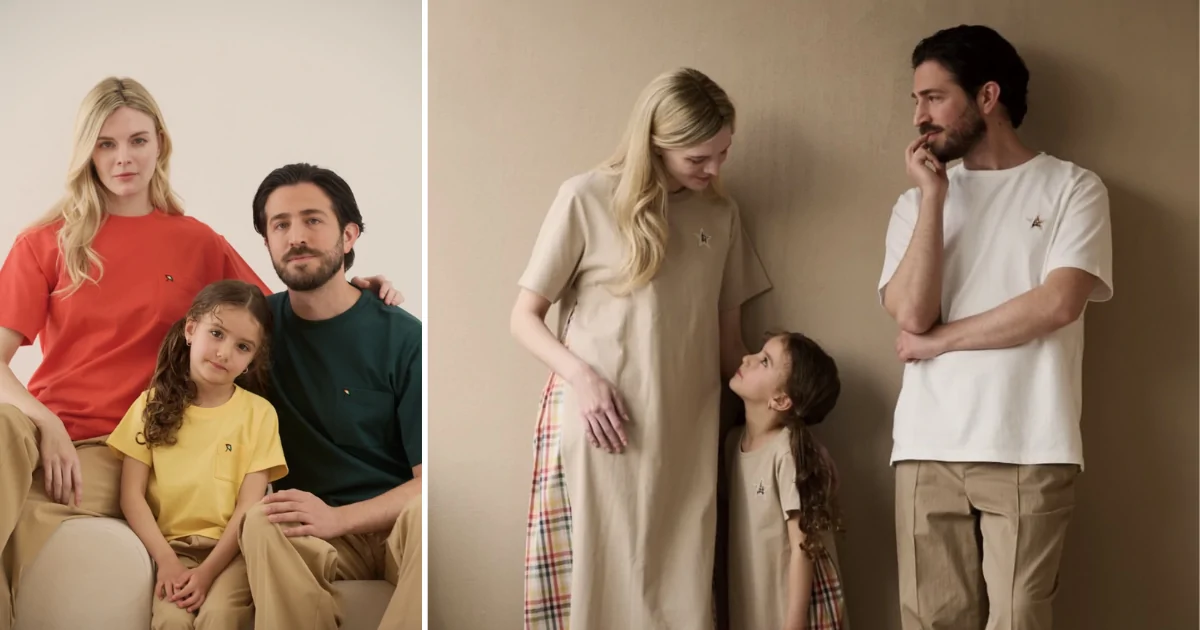
Start with a clear definition of “multicultural” for your campaign
The biggest casting mistake brands make is using the word “diverse” without defining what they mean. Diversity can refer to many things, and casting becomes messy if everyone interprets it differently.
Before you request options, clarify:
Do you need a multicultural mix in one scene, or across multiple deliverables?
Is the campaign targeted to Japan, Asia, or global markets?
Do you need specific looks for specific markets, or general global relatability?
Are you prioritizing international talent based in Japan, or Japanese talent with global appeal?
Do you need bilingual ability or cultural familiarity for performance-led scenes?
When you define these, diverse model casting Japan becomes intentional rather than random.
Authenticity matters more than optics
Global audiences can sense when casting is purely symbolic. The goal is to cast people who feel believable in the environment and aligned with your brand.
Authentic multicultural casting usually means:
The cast feels like real people you would see in Tokyo
Wardrobe and styling match the brand world and the location
Interactions feel natural, not staged “inclusion moments”
The energy fits the campaign tone, premium, casual, youth, corporate, etc.
The cast looks cohesive together, even when visually diverse
The key is cohesion. Diversity should add depth, not create a visual mismatch where each person feels like they belong in a different ad.
Build a casting brief that supports inclusive casting without confusion
If you want inclusive casting, your brief must be precise. Agencies cannot guess what your internal stakeholders mean.
A strong brief for inclusive casting Tokyo includes:
Campaign tone and brand positioning
Scene types, office lifestyle, streetwear, premium hospitality, tech demo, etc.
Casting structure, solo hero, couples, group, family
The mix you want, and whether specific looks are required
Language needs, especially for speaking or direction speed
Wardrobe and grooming rules that keep the group cohesive
Shoot date and schedule
Usage scope and where content will run globally
This makes approvals faster because stakeholders are evaluating the same target, not different interpretations.
Models vs talent: choose based on what the content requires
A multicultural campaign can still be stills-led or performance-led. Do not assume one category fits all.
Models are ideal for fashion, beauty, product-led stills, and clean lifestyle visuals.
Talent categories are better when the content requires speaking, acting beats, or stronger on-camera interaction.
If your campaign includes dialogue, hosting, or natural storytelling, it helps to review both categories. Start with the Models roster for strong visual-led casting, and compare with the Talents roster when performance is central.
Group chemistry: the hidden factor in international campaigns
Many multicultural campaigns include groups, friends, coworkers, or couples. Chemistry matters. If the cast looks like strangers, the campaign feels staged.
For group scenes, casting should consider:
Energy match, calm vs energetic
Interaction comfort, natural smiling and eye contact
Pacing and movement consistency in video
Height and framing balance so visuals stay clean
Styling cohesion so the group feels like one world
This is especially important for international campaign Tokyo shoots that will be watched by global audiences. People notice when group scenes are forced.
Language and global production workflow
Tokyo shoots often involve international crews and remote stakeholders. Language can affect how fast a set moves.
If you need bilingual support, define the level clearly:
Basic comprehension for direction
Conversational ability for fast feedback
On-camera English delivery for lines or narration
Do not assume “English OK” is enough for speaking roles. If there is dialogue, ask for a short line test. It protects the production day.
Styling and grooming: keep inclusivity consistent with brand identity
Inclusive casting does not mean inconsistent styling. It means the cast looks different while still living in the same brand world.
A clean approach includes:
Shared wardrobe direction, color palette, fit style, formality level
Grooming rules that support the campaign tone
Hair flexibility notes if multiple looks are needed
Accessory rules that avoid distractions
If your brand is premium, the inclusive casting should still feel premium. If your brand is youthful, it should feel youthful. The casting should not override the brand.
To align on production finish and overall visual level, it can help to review references internally. The Portfolio can help teams calibrate the campaign look so casting and styling decisions stay cohesive.
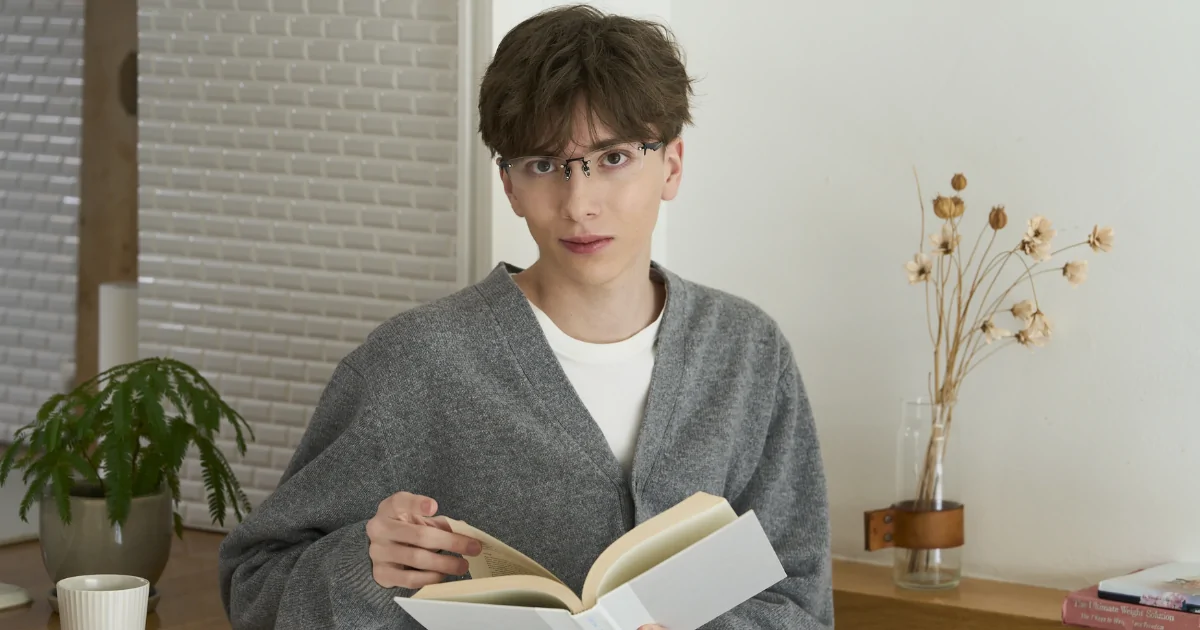
Usage rights: global campaigns need clarity from day one
Multicultural campaigns are often global by design, and global usage should be clear in booking terms.
Define:
Territory, Japan-only, regional, worldwide
Term length, 3 months, 1 year, 2 years
Media, web, paid social, print, in-store, out-of-home
Whether paid usage is included
Whether partners, distributors, or affiliates can reuse content
Whether footage will be cut into ads and vertical versions
Clear usage planning prevents delays and protects your ability to scale winning creatives.
Common mistakes brands make in multicultural casting in Tokyo
Most issues repeat:
Using “diverse” as a vague note without defining the mix
Casting people who do not feel cohesive together
Ignoring language needs, slowing set direction
Overloading the shortlist, slowing approvals
Over-styling, making inclusion feel performative
Under-defining usage, then expanding globally later
Fixing these makes casting smoother and the campaign more authentic.
Work with Liliana Models for multicultural casting in Tokyo
If your campaign needs multicultural models Tokyo for global brand content, Liliana Models can support shortlisting and bookings based on your target markets, brand tone, and usage needs.
Start by exploring the Models roster for visual-led casting and the Talents roster for performance-led roles and speaking capability. To align on production finish and campaign level, review the Portfolio. When you are ready to request options, share your brief, dates, and usage scope via the Contact page so the team can move quickly with a cohesive, on-brief shortlist.
