


If you run UGC or creator ads in Japan, the stealth marketing rules mean every video needs to show clearly that it is an ad. Since 1 October 2023, hiding that a post is advertising has been regulated as misleading advertising under Japanese law. In Japan, people call it stema (ステマ), short for stealth marketing.
For overseas brands, the important point is who is responsible. It is the advertiser, not the creator. This guide explains what the rule covers, how to label UGC correctly, and what else to check before your videos go live.
This article is general information from a model and talent agency, not legal advice. For your specific campaign, check with a lawyer in Japan.
What the stealth marketing rules say
Japan’s main advertising law is the Act against Unjustifiable Premiums and Misleading Representations, often called the Premiums and Representations Act (景品表示法). From 1 October 2023, a notification under this act added a new type of prohibited advertising: content that consumers cannot easily recognise as a business’s advertising.
In practice, this means that if your company is involved in the content of a post, and the post does not make clear it is an ad, it can be treated as a violation. The Consumer Affairs Agency enforces the rule (see this explanation by an agency official), and it issued its first order under it in 2024, against a medical clinic in Tokyo.
Who is responsible: the brand
The rule targets the business that advertises, not the person in the video. If a creator forgets the label, the brand is the one at risk. That is why disclosure must be part of your brief, your contract and your approval process, not something you leave to the creator.
This applies whether your company is in Japan or overseas, if the ad is aimed at Japanese consumers.
Which UGC needs a label
The question is whether the business was involved in the content. These normally need a clear advertising label:
- UGC-style videos you commissioned from creators or models
- Posts by creators you paid, or gave free products to, in exchange for a post
- Creator posts you boost as paid ads, such as Instagram partnership ads or TikTok Spark Ads
- Reviews you asked customers to write in exchange for a reward
Genuine customer posts that you did not request or influence are different. But once you ask for permission to use them in ads, the ad itself is your advertising and should be labelled.

How to label UGC correctly
The label has to be easy to see and easy to understand for a normal viewer. Common labels in Japan are 「広告」 (advertisement), 「PR」 and 「プロモーション」 (promotion).
Good practice:
- Put the label at the start of the caption, or on screen in the video itself.
- Use the platform’s paid partnership or branded content tool as well.
- Do not hide the label among many hashtags at the end of a long caption.
- Do not use small, pale text or show the label for a split second.
- Make sure the label appears on every version and cutdown, not only the master.
Unclear wording such as “thanks to the brand” alone may not be enough. A plain 「広告」 or 「PR」 is the safest choice.
Claims you cannot make in Japan
Disclosure is only half of compliance. The content of the ad must also follow Japanese rules, and UGC often breaks them because creators speak freely.
- Cosmetics, quasi-drugs and supplements are covered by the Pharmaceuticals and Medical Devices Act (薬機法). Cosmetics cannot claim to treat or cure anything, and supplements cannot claim medical effects.
- Misleading quality or price claims are restricted under the Premiums and Representations Act. “Number one” or “the cheapest” needs objective proof.
- Before-and-after results in beauty and health categories carry high risk.
A creator saying something in their own words does not change this. Once the video is your ad, what the creator says counts as your claim.
Build compliance into the workflow
The easiest way to stay safe is to make compliance a normal step in production:
- Brief. List required labels, allowed claims and banned phrases in the brief.
- Script. Have a Japanese speaker check the script or talking points before the shoot.
- Contract. Include the disclosure requirement and your right to request edits.
- Review. Check every final video and caption, including cutdowns.
- Monitor. If creators post on their own accounts, check the live posts.
If you work with an agency in Japan, ask how they handle each step. Our guide to model usage rights in Japan covers the separate question of where and how long you can use the content.
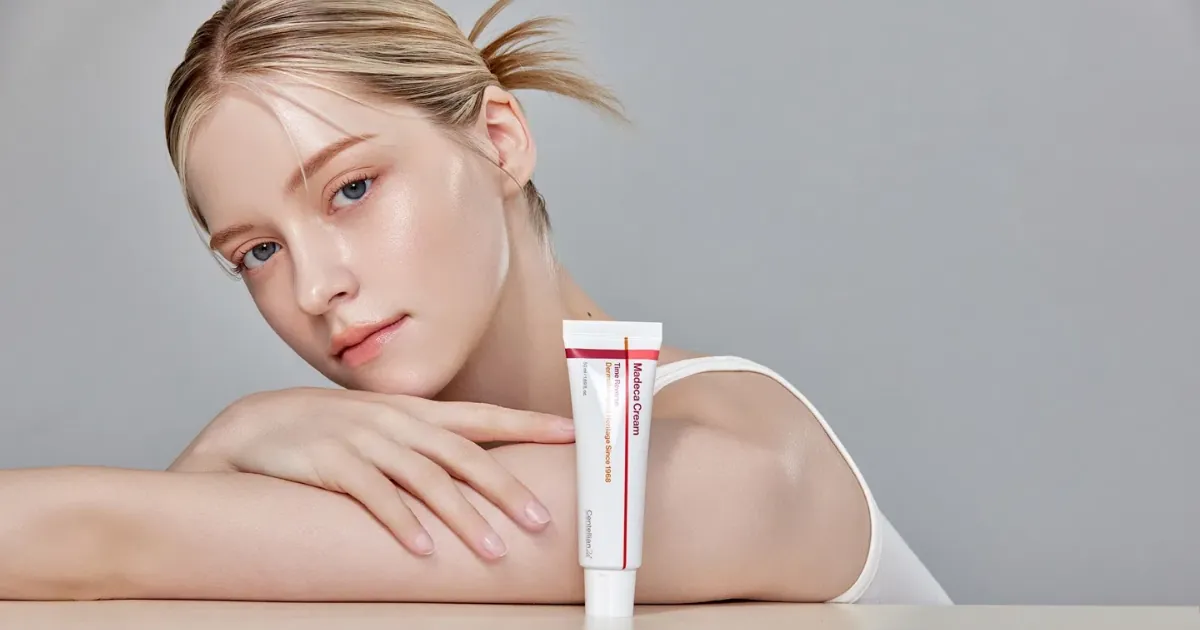
How Liliana Models handles disclosure
At Liliana Models, every UGC project starts with an agreement on media, usage period and labelling. To follow the stealth marketing rules, we include the advertising label in the brief and the deliverables, and our Japanese team checks scripts and captions before delivery. For cosmetics and health products, we recommend that your own legal or regulatory team also reviews the final wording.
See our UGC and product video service or contact us in English.
Related guides
- Model Usage Rights in Japan for Overseas Brands
- Casting Creators in Japan for UGC That Still Looks Premium
- Hiring Freelance Models in Japan: What Overseas Brands Should Check
FAQ
Does UGC we produced ourselves need a PR label?
Yes. If your company commissioned or directed the video, it is your advertising. Label it clearly as an ad.
Is the creator or the brand responsible if the label is missing?
The rule targets the advertiser, so the brand carries the risk. Put the requirement in your brief and contract, and check every post.
Is a hashtag like #ad enough in Japan?
An English hashtag hidden at the end of a caption may not be clear to Japanese viewers. Use 「広告」 or 「PR」 at the start of the caption or on screen.
Does the rule apply to overseas companies?
If the ad targets consumers in Japan, plan as if it applies. Ask a Japanese lawyer about your specific case.
