


Music videos move fast. The concept shifts, the schedule tightens, and suddenly you are shooting night scenes, quick cutaways, and performance setups across multiple locations. When casting is right, everything feels effortless. The talent hits marks, stays camera-aware, and the energy reads instantly on screen. When casting is wrong, the production slows down. Movement looks stiff, expressions feel forced, and the edit becomes a patchwork of “almost” moments.
That is why music video casting Tokyo is not just about choosing good faces. It is about choosing people who can live inside a visual concept, perform on camera, and stay consistent through repeated takes. Tokyo is a great place to cast for MV work because there is a strong pool of models and talent with high set discipline, but the process still needs structure.
This guide breaks down how to cast for music videos in Tokyo with a clear workflow, so you get the right look and the right performance without losing time.
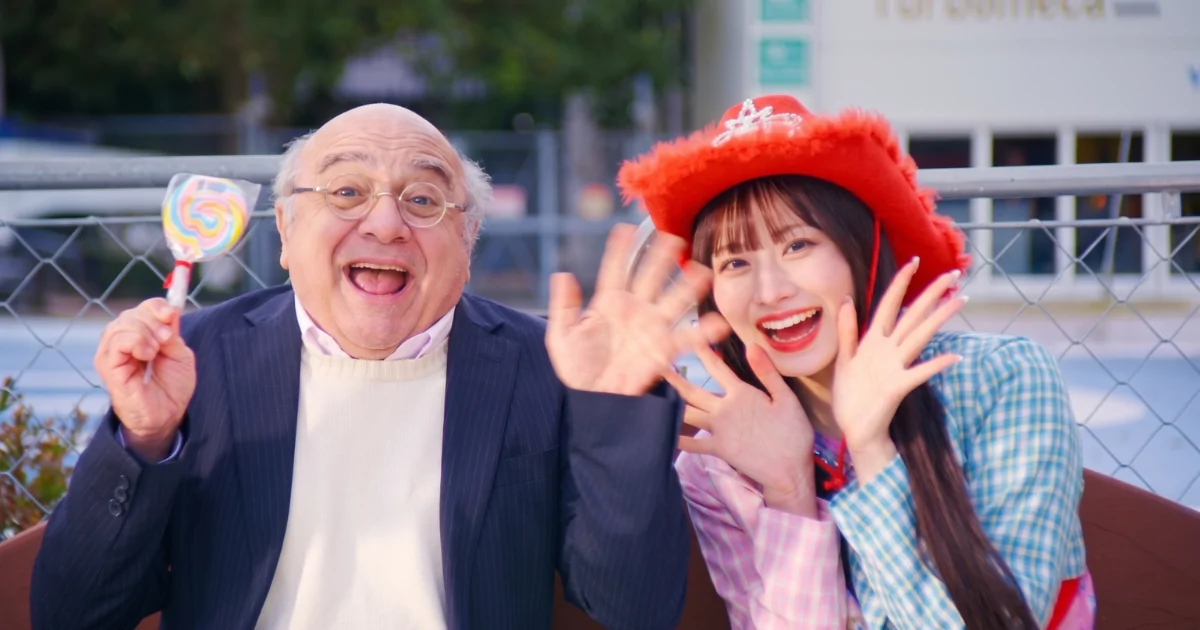
Step one: define what kind of music video you are making
Casting depends on the format. Music videos vary widely, and “MV casting” can mean different requirements.
Some common MV formats include:
Performance-led videos where the artist is the focus and the cast supports movement and visuals.
Narrative videos where the cast plays characters and emotional storytelling matters.
Fashion-forward videos where styling, posing, and visual attitude are the main product.
Hybrid videos that switch between performance and story scenes, often with quick character moments.
If you clarify your format early, the shortlist becomes more accurate. This is the first filter for MV production Tokyo casting.
Break your cast into roles, not just “people”
Music videos often need multiple types of talent. If you define roles early, you avoid casting confusion later.
Typical roles include:
Lead character (if narrative exists) who needs emotional range and camera comfort.
Supporting characters who fill out the story world and create believable scenes.
Performance dancers or movement-led cast who can match timing and direction.
Visual extras who are mainly used for atmosphere, styling, and quick cutaways.
Hands or detail performers for close-ups, props, product moments, or stylized shots.
Once roles are defined, you can cast more efficiently and prevent the common issue where everyone is chosen for the same reason.
Models vs talent: choose based on what the camera needs
A lot of MV casting problems come from using only one category.
Models tend to be strongest when your MV is style-led. They bring pose control, visual presence, and camera awareness for fashion-forward scenes.
Talent categories tend to be stronger when your MV needs natural behavior, acting moments, or expressive performance.
Movement-heavy videos often benefit from people who can perform physically without looking like they are thinking through every action.
If your concept is mostly visual and styling-driven, start with the Models roster. If the video includes character moments or expressive performance, also review the Talents roster so you are not forcing stills-focused casting into acting scenes.
This is a key decision for performance casting Japan. Choose the category that matches the deliverables, not only the mood board.
Write a casting brief that protects speed and clarity
MV timelines can be tight, so the brief must be practical. A vague MV brief creates a vague shortlist and slow approvals.
For Tokyo music video talent, include:
The concept summary and the emotional tone.
Role breakdown and how many people you need for each role.
Performance needs, dancing, walking, crowd energy, acting, lip sync, or no speaking.
Wardrobe direction and styling references, including whether tattoos, piercings, and bold hair are acceptable.
Shoot date, call time expectations, and whether it is a night shoot.
Locations and environmental conditions, outdoor cold, rain, heat, crowded areas.
Deliverables and usage, where the video will be released and for how long.
Any special constraints, stunts, water scenes, smoke, intense lighting, club environments.
When the brief is clear, casting becomes confirmation rather than guesswork.
What to look for in music video casting beyond “the look”
A music video is movement and emotion. Even when the cast is used for atmosphere, the camera sees behavior.
Strong Japanese music video models and talent usually have:
Comfort with repeated takes and long shooting blocks.
Natural energy control, they can go big when needed but also hold calm when the concept is minimal.
Camera awareness, they understand angles, light, and blocking quickly.
Ability to take direction fast, especially when the director is moving quickly.
Professional set behavior, punctuality, patience, and calm in chaotic moments.
If your video includes performance setups, also check rhythm and timing. People do not need to be professional dancers to look good on camera, but they should not look lost.
Auditions and self-tests: simple checks that save hours on set
Not every MV needs auditions, but a short test can prevent bad surprises, especially for narrative or performance roles.
A useful MV self-test can include:
A short introduction in natural lighting.
A simple movement clip, walking, turning, interacting with space.
A quick emotion shift if narrative is involved.
A directed re-take to see how well the person applies feedback.
If lip sync matters, a short lip sync test can confirm comfort and realism.
This is especially valuable for performance casting Japan because it is hard to judge movement from still photos alone.
Styling and grooming for MV work in Tokyo
Music videos can be bold, but they still need consistency. A cast can look great individually and still feel wrong as a group if styling is not aligned.
Make sure the brief clarifies:
Whether the video is clean-minimal, streetwear, luxury, club, retro, or experimental.
Hair flexibility, can it be changed between looks or should it stay consistent.
Makeup direction, fresh, smoky, glossy, editorial, or natural.
Nail and accessory rules, especially if hands appear in close-ups.
If you want casting to align with an overall visual level, it helps to look at references that match the finish you want. The Portfolio is useful for calibrating the production standard so your shortlist matches the visual goal.
Choreography, blocking, and movement readiness
Many music videos include choreography or at least movement staging. Even if it is simple, the cast needs to be comfortable learning sequences and repeating them on cue.
If choreography is involved, plan for:
Rehearsal time, even a short run-through helps.
Comfort wearing wardrobe that allows movement.
Consistency across takes, timing matters for editing.
Clear direction language on set so the cast can adjust quickly.
If the concept includes a club scene or crowd energy, remember that “party energy” on camera is still performance. You want people who can sustain it without looking forced.
Scheduling and holds: how to keep your shortlist stable
Tokyo schedules can shift, and MV shoots often run late. A stable casting process protects your shoot.
A clean MV production Tokyo booking flow usually includes:
Availability confirmed for the full time window, not only the call time.
Clear hold deadlines so your top choices do not disappear.
Backup options who fit the same aesthetic and performance standard.
Fast confirmations once the final cast is chosen.
If your approvals involve multiple stakeholders, consolidate feedback early. MV casting drifts when too many people keep reshaping the shortlist.
Usage rights and release plans: clarify this early
Music videos often live forever online. That does not automatically mean usage is unlimited. Be clear on the release plan from the start so booking terms are aligned.
Define:
Where the video will be released, platforms and channels.
Territory, Japan-only or global release.
Term length, especially for paid placements or promotional reuse.
Whether footage will be cut into ads, teasers, or vertical clips.
Whether stills from the set will be used for promotion.
When usage is clear, the booking stays clean and you avoid last-minute friction.
Common mistakes in Tokyo music video casting
Most MV casting issues repeat:
Casting for visuals only and ignoring performance comfort.
Skipping movement checks for performance-led scenes.
Under-planning shoot length, then losing energy and continuity late night.
Not aligning styling rules, so the cast looks like separate worlds.
Not defining usage, then needing promotional cutdowns later.
Overloading the shortlist, slowing approvals when time is tight.
Fix these and MV casting becomes one of the most enjoyable categories to execute.
Work with Liliana Models for music video casting in Tokyo
If you are planning music video casting Tokyo and need a shortlist that fits both visual concept and performance demands, Liliana Models can support casting and bookings based on your roles, schedule, and intended usage.
Start by reviewing the Models roster for strong visual presence and styling-led scenes, and the Talents roster for narrative moments and performance comfort. If you want to align on production finish before casting, review the Portfolio. When you are ready to request options, share your brief and dates through the Contact page so the team can move quickly with the right shortlist.
