


Family and youth campaigns can look warm, natural, and memorable when they are cast well. But casting minors is not the same as casting adults. It requires more planning, more schedule discipline, and more care around safety and guardianship. Even small mistakes can create delays or uncomfortable situations on set.
That is why kids casting Japan should be treated as a structured process. The goal is to protect the minor, keep the production compliant with basic expectations, and still deliver authentic content that feels real for families and brands.
This guide explains how casting kids and teens typically works in Japan, what brands should plan for, and how to run a smooth booking workflow in Tokyo.
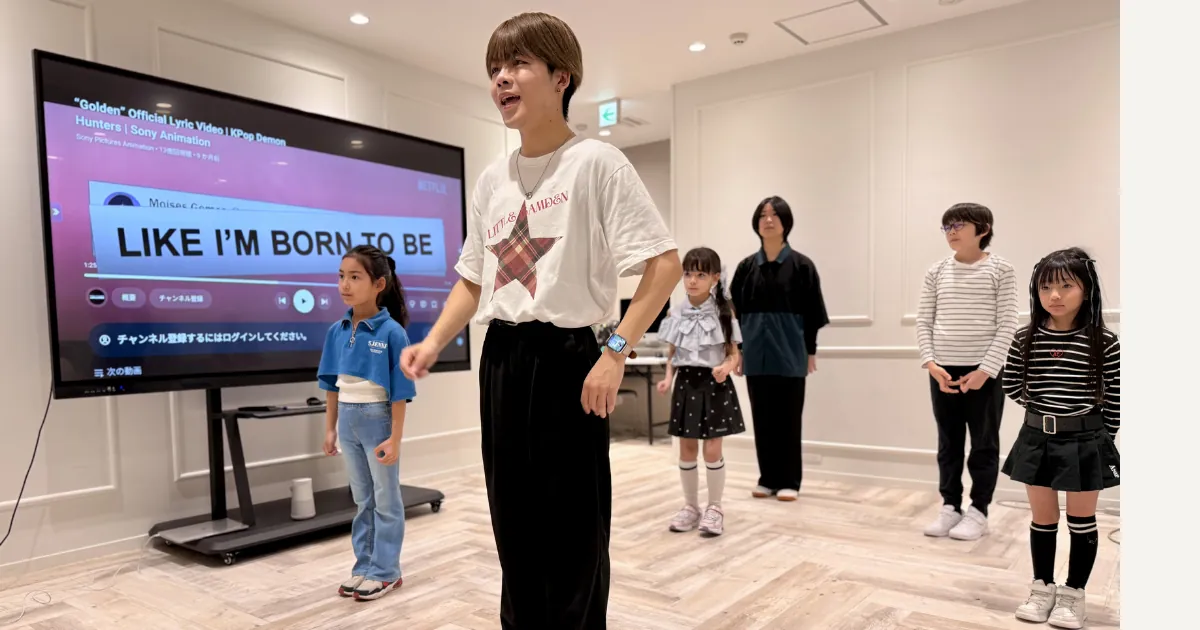
Start by defining the age range and the role type clearly
“Kids” can mean many ages, and the casting approach changes with each range.
Toddlers and preschoolers need very short shooting blocks and flexible expectations.
Kids can follow direction better but still need breaks and calm set rhythm.
Teens can often work closer to adult structure but still require guardianship and careful handling.
For teen models Tokyo, brands also need to be clear whether the role is fashion-forward, lifestyle, sports, school setting, or family-friendly commercial content.
The first step to a smooth casting is naming the exact age range, the tone, and the type of scenes, so the shortlist is realistic.
What makes kids and teen casting different in Japan
The biggest difference is that minors do not operate as independent talent. Scheduling, permissions, and safety are part of the booking.
Brands should expect:
Guardian involvement and approvals
More limited and structured shoot hours
More breaks and slower rhythm on set
Higher sensitivity to environment and pressure
More planning around wardrobe, meals, and comfort
This is the core of minor talent booking Japan. Your production plan must support the minor’s needs, not force them into an adult schedule.
The casting brief for minors should be extra practical
The brief must be clear. Kids casting becomes difficult when families do not understand what the day looks like. Clarity reduces cancellations, delays, and stress.
A good brief for child models Japan should include:
Age range and appearance notes, but keep it respectful
Scene description, what the child will actually do
Location and environment, indoor, outdoor, crowded, quiet
Shoot date, call time, estimated end time
Wardrobe requirements and whether fittings are needed
Grooming expectations, minimal, clean, natural
Whether there is dialogue or only lifestyle action
Any physical actions, running, jumping, sports, water scenes
Usage plan, where content will be used and for how long
Whether content is organic only or includes paid ads
This is also where you should state if the project is sensitive, high-pressure, or requires repeated takes. Families deserve honest expectations.
Guardians and approvals: how to keep it smooth
Guardians are not “extra.” They are part of the process. A smooth production respects that.
To keep guardianship workflow easy:
Share schedule and scene summary early
Confirm who will be on set and responsible for the child
Provide a clear contact person for the guardian
Explain breaks and comfort rules
Make it clear what is allowed on set, snacks, rest, quiet space
This reduces anxiety and keeps the shoot moving.
Auditions and self-tests for kids and teens
Many kids campaigns do not require auditions. But if you need specific behavior or speaking, a simple test can help.
A practical test might include:
A short natural introduction
A simple action clip, walking, smiling, interacting with a parent figure
A short line delivery if dialogue is required
A re-take with a small direction to check responsiveness
For teens, especially for family campaign casting that includes lifestyle video, these tests can save time. Teens vary widely in comfort on camera, so checking it early reduces risk.
Set safety and comfort: the part brands must plan
Kids do not thrive on chaotic sets. A calm set is a productive set.
For a safe and smooth environment:
Plan shorter shooting blocks
Allow frequent breaks and a quiet waiting area
Avoid harsh pressure and repeated high-energy takes
Keep wardrobe changes minimal
Keep the set physically safe, no trip hazards, no heavy crowding
Assign someone to manage the child’s wellbeing and comfort
If your set is crowded, have clear flow rules. Minors should not be wandering around uncontrolled production spaces.
Scheduling: why kids campaigns often need more time than you think
Even if your shot list is short, kids shoots can take longer because attention and energy are unpredictable. Build your schedule with flexibility.
Practical planning tips include:
Shoot key moments early while energy is high
Capture wide lifestyle scenes first, then details
Avoid long waiting times, kids get tired quickly
Plan wardrobe in a simple sequence
Keep scenes fun and light when possible
For teens, you can run closer to adult schedules, but you still need breaks and a respectful pace.
Wardrobe and grooming expectations for minors
Kids and teens should look natural. Over-styling can make content feel fake or uncomfortable.
Typical expectations:
Clean, simple wardrobe that matches the campaign world
Minimal grooming and natural hair
Comfortable clothing and footwear for movement scenes
No heavy makeup for teens unless the campaign is fashion-forward
Clear rules for nails and accessories if hands appear in close-ups
If your campaign is more fashion-led for teens, define that clearly. Otherwise, most family campaigns want warmth and realism, not editorial intensity.
Usage planning: be especially clear when minors are involved
Usage matters for all talent, but it is especially important when minors are featured. Brands should be transparent about where the content will run.
Define:
Territory, Japan-only or global
Term length, 3 months, 1 year, 2 years
Media, website, social, paid ads, print, in-store
Whether it will be used for recruitment, internal, or partner use
Whether the content will be edited into multiple formats
If your campaign includes paid ads, state it up front. Do not treat it like an upgrade after the shoot.
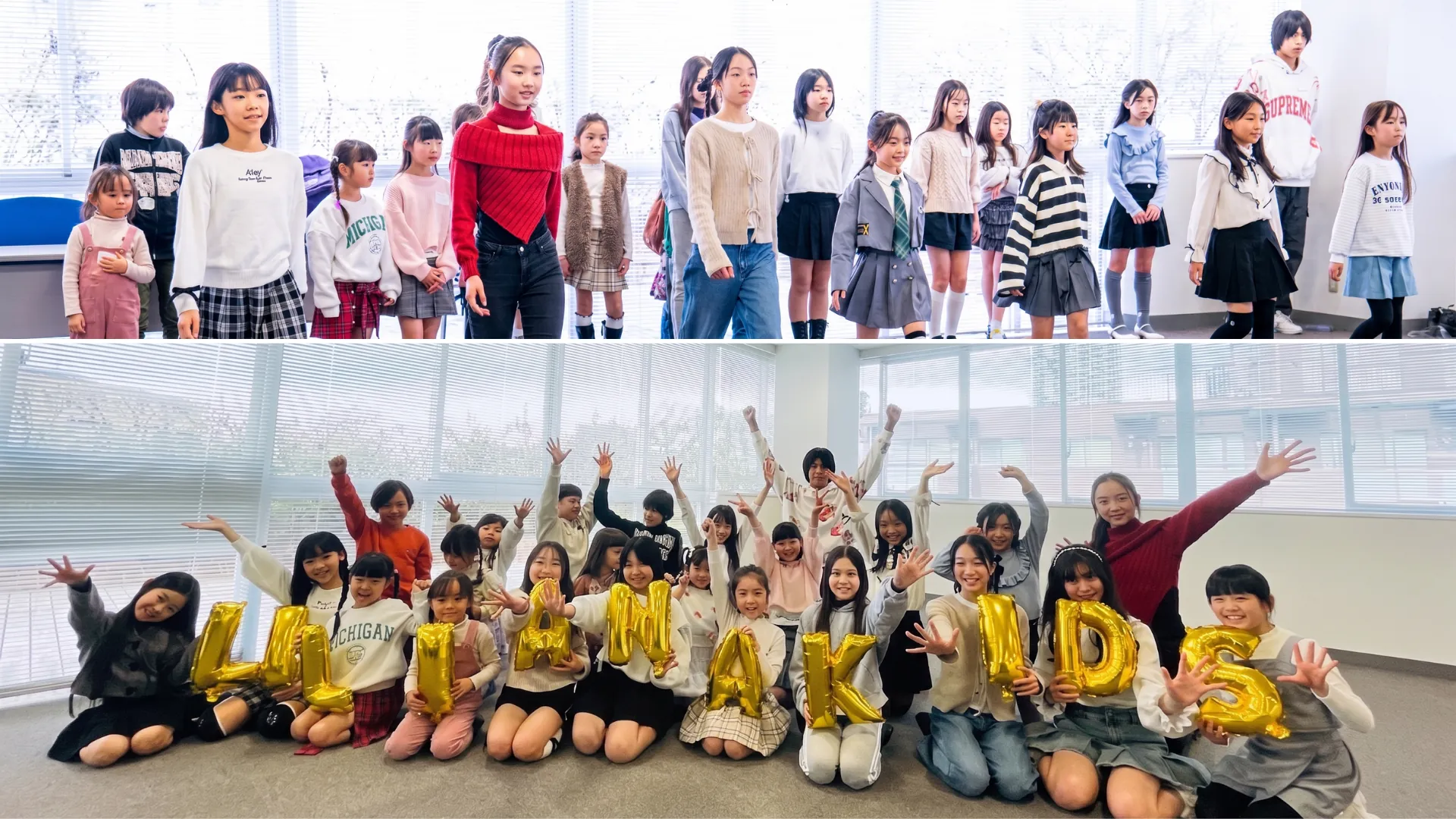
Brand tone and ethics: keep it respectful
Kids and teens should not be cast into content that feels inappropriate, overly adult, or uncomfortable. Brands that handle youth content well keep the tone age-appropriate and respectful.
That means:
No unnecessary mature styling or messaging
No uncomfortable physical direction
Clear boundaries around wardrobe and behavior
Respectful direction style on set
No pressure tactics to force performance
A calm, respectful environment is better for everyone, including the final content quality.
Common mistakes brands make when casting minors in Japan
Most issues come from predictable errors:
Vague briefs that families do not understand
Scheduling like adults, then losing energy and cooperation
Not planning for guardians and breaks
Under-defining usage, then expanding later
Over-styling, making the content feel forced
Crowded sets with no child-focused management
If you avoid these, kids shoots become smoother and the content feels genuinely warm.
Work with Liliana Models for family and youth casting in Japan
If you are planning kids casting Japan, teen models Tokyo bookings, or a family lifestyle campaign, Liliana Models can support shortlisting and bookings with a workflow designed to keep production smooth and respectful.
To align on production style and tone before casting, review the Portfolio. When you are ready to request options, share your brief, age range, schedule needs, and intended usage via the Contact page so the team can guide next steps quickly.
