


Couples content sells a feeling. Calm intimacy, playful connection, everyday comfort, premium romance, the mood changes depending on the brand. But no matter what the concept is, couples content only works when it feels natural. If the cast looks like strangers acting romantic, viewers notice instantly, and the campaign becomes awkward instead of aspirational.
That is why couples casting Tokyo is a specific casting skill. You are not only choosing two good-looking people. You are choosing chemistry, comfort with proximity, and the ability to perform connection on camera without exaggeration.
This guide explains how couples casting works in Tokyo, what to include in your brief, how chemistry checks are done, and how to book couple talent smoothly for Japan productions.

Step one: define the relationship tone you want
Couples casting depends heavily on tone. A luxury fragrance campaign needs different chemistry than a casual hotel ad.
Common couple tones include:
Premium calm romance, quiet intimacy, minimal dialogue
Playful youth couple energy, laughter, movement, candid vibe
Everyday domestic comfort, home scenes, “real couple” energy
Travel romance, city walks, cafes, hotel moments
Fashion-forward couple, styling and attitude, less emotional softness
When you define tone clearly, you avoid mismatched casting where the couple energy reads wrong for the brand.
Decide if you need a real couple or two individuals
Many brands assume they need a real couple. Sometimes that helps. Sometimes it does not matter.
Real couples can feel more natural in close, intimate moments, especially for soft domestic scenes. But real couples also come with scheduling complexity, and sometimes they do not match the visual brief.
Two individuals can work perfectly when:
The concept is light romance, travel, hospitality, or fashion-forward.
The scenes do not require deep intimacy.
The performance is more mood than story.
For chemistry casting Japan, the deciding factor is not whether they are a real couple. It is whether they look comfortable together on camera.
Build a couples casting brief that avoids awkwardness on set
Couples casting is sensitive because it involves physical proximity. Your brief should be respectful and specific so everyone understands the boundaries.
A strong brief for lifestyle couples Japan includes:
Campaign tone and emotional lane
Scene types, cafe date, hotel room, home kitchen, city walk, bed scene, etc.
Physical proximity expectations, light touching, hugging, hand holding, none
Wardrobe direction and styling mood
Language needs if dialogue or direction is delivered in English
Shoot date, call time, and location environment
Usage scope, web, social, paid ads, global or Japan-only, term length
Any “must not” rules, no kissing, no bed scenes, no strong intimacy
This clarity protects the cast and protects the production. It also reduces awkwardness because boundaries are established early.
What good couples chemistry looks like on camera
Chemistry is not only romance. It is ease. It is body language. It is timing.
Strong couple models Tokyo usually show:
Comfort being close without stiffness
Natural eye contact and small reactions
Relaxed touch that does not look posed
Pacing that matches, walking, turning, sitting, interacting
A shared energy level, calm with calm, playful with playful
Confidence taking direction without losing naturalness
The goal is “believable,” not “overly romantic.” Most high-performing couples ads are subtle.
Chemistry checks: simple tests that save time
You do not need a long audition. A short chemistry check often reveals everything.
A practical chemistry test can include:
A simple walk together clip
Sitting interaction, laughing, small conversation without audio focus
Hand holding and a brief hug if the campaign requires it
A directed re-take, change the tone from playful to calm
A close-up moment, looking at each other, then looking away naturally
This reduces the risk of booking two great individuals who look uncomfortable as a pair.
Casting couples for different industries
Couples casting changes by category. A brand should name the category clearly so the shortlist fits.
Hospitality and travel
Couples should feel relaxed and aspirational, not dramatic. Movement in real spaces matters, hotel lobbies, cafes, city streets.
Beauty and fragrance
Chemistry is often mood-led, close frames, slow movement, subtle intimacy. Grooming standards are stricter and touch must feel elegant.
Fashion and streetwear
Couples can be more attitude-led. Chemistry is expressed through styling cohesion and confident presence rather than soft romance.
Home and lifestyle products
Domestic scenes need warmth and realism. The couple should feel comfortable doing “normal” actions like cooking, sitting, laughing, and relaxing.
Tech and apps
Couples content is often functional, showing shared moments like planning, ordering, or traveling. Chemistry should feel modern and natural.
If your campaign includes speaking or more performance-led storytelling, consider looking beyond models. The Talents roster can be useful for more natural delivery, while the Models roster can be ideal for visual-led couples casting.
Styling and grooming: couples must look cohesive, not identical
The couple should feel like they belong together. That does not mean matching outfits. It means shared brand world.
A clean approach is:
Align wardrobe tone, premium, casual, street, business
Keep color palette cohesive
Align grooming finish, clean and minimal for premium brands
Avoid mismatched styling that makes them look like separate ads
Plan footwear and accessories so they feel consistent in real spaces
If you want to align on overall campaign finish, it helps to use references. The Portfolio can help teams calibrate what “premium” or “natural” looks like across different campaign types, so couples casting matches the brand level.
Usage rights: couples content is often reused heavily
Couples images perform well in ads, so brands often reuse them across channels and formats. Define usage early to avoid renegotiation later.
Clarify:
Territory, Japan-only or worldwide
Term length, 3 months, 1 year, 2 years
Media, web, organic social, paid ads, print, in-store
Whether cutdowns and edits are allowed
Whether partners or affiliates can reuse the content
Clear usage makes bookings smoother and protects your marketing plan.
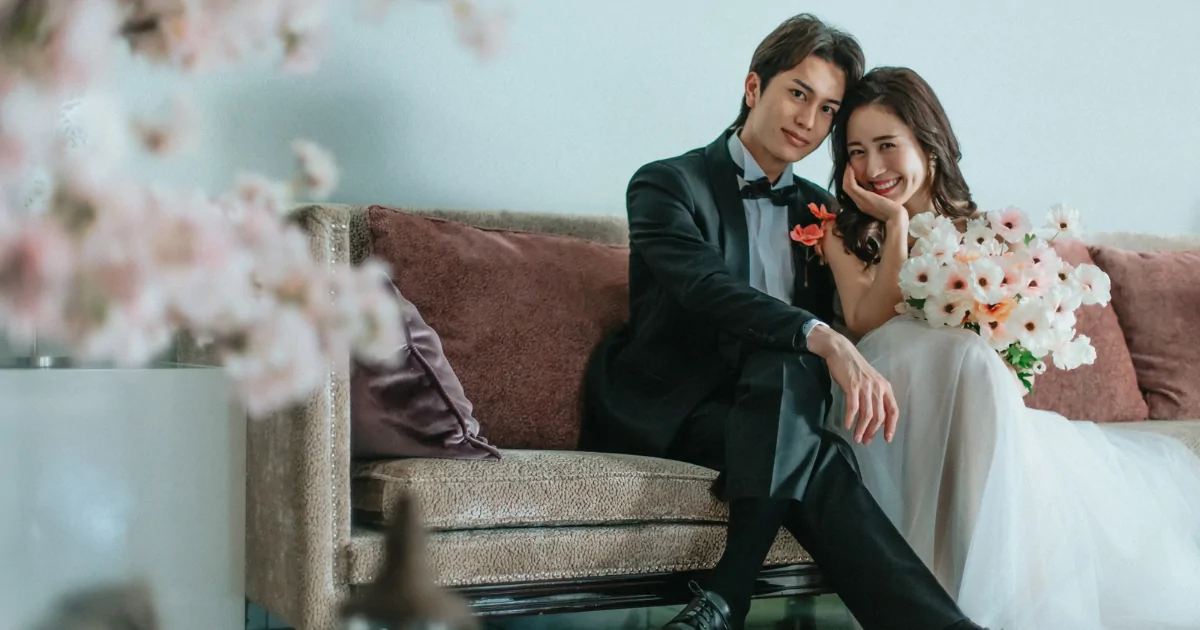
Shoot-day workflow: how to keep couples scenes natural
Couples scenes can become awkward if direction is too “posey.” A better approach is giving behavior direction.
Instead of “be romantic,” direct:
Walk and talk naturally, then stop and look at each other
Sit close and share the product moment
Laugh quietly, then relax into a calm pose
Hold hands while walking, then pause for a close frame
Lean in slightly, then pull back and smile softly
This keeps movement real and makes chemistry look effortless.
Common mistakes brands make in couples casting
Most issues repeat:
Vague tone notes, leading to mismatched chemistry
Not defining physical boundaries early
Choosing two attractive people without testing comfort together
Over-styling, making the couple feel staged
Under-defining usage, then scaling ads later
Over-directing intimacy, making scenes feel forced
Fix these and couples campaigns become much easier to execute.
Work with Liliana Models for couples casting in Tokyo
If you are planning couples casting Tokyo for hospitality, lifestyle, beauty, fashion, or brand storytelling, Liliana Models can support shortlisting and bookings based on your tone, scene requirements, and usage scope.
Start by exploring the Models roster for visual-led couples casting and the Talents roster for more performance-led couple scenes. To align on production finish and brand level, review the Portfolio. When you are ready to request options, share your brief and dates via the Contact page so the team can move quickly with a chemistry-ready shortlist.
Planning a shoot in Japan? Our model casting in Japan page explains how conditions, usage terms and the booking process work. Consultation and quotes are free.
