


Fashion shows look glamorous from the audience. Backstage is something else. Tight schedules, rapid wardrobe changes, quick hair and makeup resets, and a team trying to keep everything smooth while the clock moves faster than it should. In Japan, that backstage culture tends to be disciplined and professional, but it still demands the right kind of model.
That is why Japanese fashion show casting is not the same as casting a campaign. Runway work is operational. The model needs to be reliable, easy to work with, and capable of executing the show’s walk and timing in a high-pressure environment.
This guide explains how fashion show casting typically works in Japan, what designers look for, how fittings and call times are handled, and how to book runway models Tokyo in a way that keeps show week smooth.
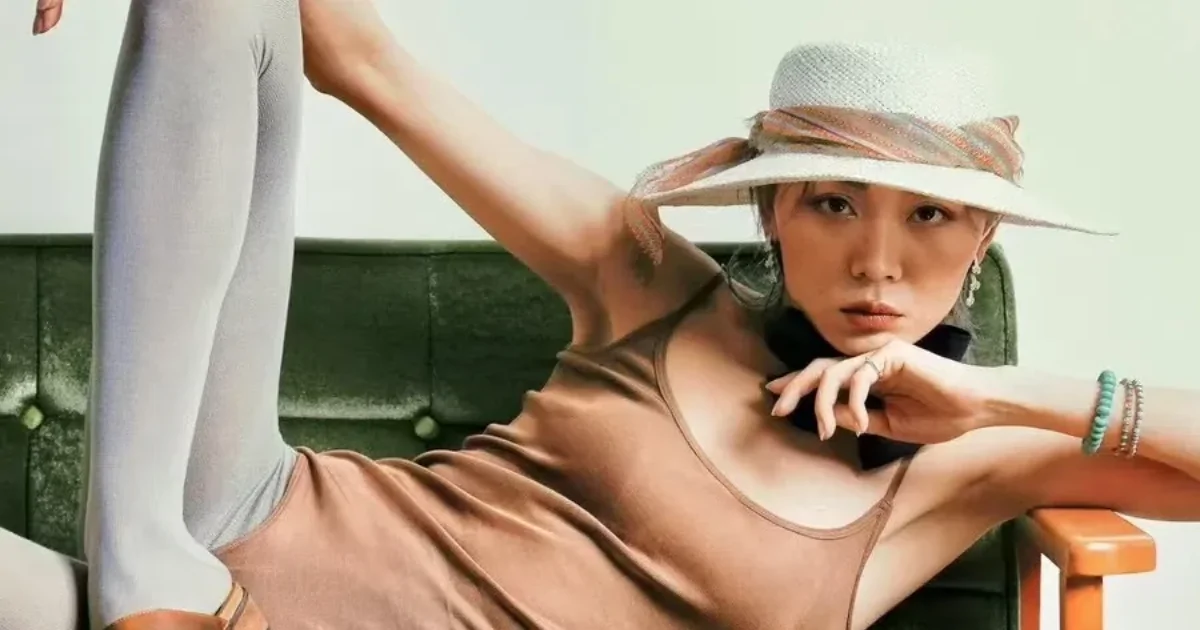
Step one: define what kind of show you are casting
Not every “fashion show” is a fashion week runway.
Japan show casting can include:
Tokyo Fashion Week shows with high pace and tight backstage rhythm
Brand showcases and capsule collection presentations
Department store and retail runway events
Press and buyer preview shows
Performance-style shows with choreography or movement staging
Once you define the format, you can cast properly. A high-energy performance show requires different talent than a clean, minimal runway presentation.
What designers look for in runway models in Tokyo
Runway is about silhouette, presence, and movement control. Designers want models who make clothing look intentional, not accidental.
Common runway casting priorities include:
Strong posture and clean walk technique
Ability to keep pace and hit marks
Comfort in heels or specific footwear requirements
Body proportions that match the collection’s fit approach
Professional demeanor, calm backstage behavior
Reliability for call times, fittings, and rehearsals
For fashion week casting Japan, professionalism is often as important as look. Designers and show producers remember who makes backstage easier.
Runway requirements are different from campaign requirements
A model can be great for campaigns and still struggle on runway. Runway requires consistency under pressure.
Runway demands:
Timing, walk speed, turns, and spacing between models
Comfort in fast outfit changes
Ability to handle quick instructions without stress
Confidence in front of cameras and live audiences
Physical stamina, standing and waiting for long periods, then walking multiple runs
This is why casting should consider both appearance and operational readiness.
The casting brief: what show producers need from you
A runway casting brief should be practical. Designers and producers need details that help them confirm who fits the collection and the show structure.
A strong brief for Japanese fashion show casting includes:
Show date, venue, and call time expectations
Fitting schedule, number of fittings, and location
Model requirements, height range, sizes, shoe sizes, hair flexibility
Footwear requirements, heels, boots, sneakers, special shoes
Hair and makeup direction, minimal, editorial, wet look, strong eye, etc.
Rehearsal needs and whether blocking or choreography is involved
Number of looks per model and quick-change expectations
Backstage rules, phones, food, behavior, arrival protocol
Usage, whether runway images will be used for brand marketing beyond the event
The more clarity you provide, the smoother casting becomes.
How fashion show casting in Japan typically happens
Runway casting often happens in phases.
First is a pre-selection based on portfolios and measurements.
Then there may be an in-person casting where models walk and are viewed in basic fitting attire.
After selection, fittings are scheduled.
Then rehearsals or run-throughs occur.
Finally, show day call time and backstage execution.
Some shows are cast purely from agency submissions and prior relationships. Others have open castings. Many Tokyo shows use a hybrid approach, especially for larger events.
Fittings in Tokyo: why they matter more than people expect
Fittings are not just trying on clothes. They are a critical operational step. They confirm fit, styling, and whether the model can handle the collection comfortably.
For model fittings Tokyo, expect:
Measurements to be checked carefully
Garments to be pinned, adjusted, and assigned
Shoes to be tested for comfort and walk stability
Accessories to be matched to looks
Hair and makeup direction to be confirmed
Fittings also identify issues early, like shoes that slip, garments that restrict movement, or accessories that need securing.
Backstage etiquette in Japan: calm professionalism wins
Japan’s backstage culture is generally respectful and organized, but it is still intense. Models who thrive are the ones who stay calm and cooperative.
For backstage etiquette Japan, expectations often include:
Arriving early and ready
Following instructions quickly and politely
Staying in assigned areas to reduce chaos
Respecting garments and accessories carefully
Keeping phones minimal during active backstage moments
Being prepared for quick changes without frustration
Maintaining clean posture and energy even when waiting long
Producers remember who creates stress and who reduces stress. The best runway models make backstage feel smoother.
Hair and makeup for runway: flexibility is a casting factor
Runway hair and makeup can be minimal or extreme. Either way, the model must be flexible.
Casting often considers:
Hair length and ability to be styled into the show look
Willingness to change hair texture or shape temporarily
Skin condition for makeup consistency
Whether the model can handle heavy makeup or tight hairstyles
Whether there are restrictions, allergies, sensitivities
If the show is editorial or experimental, flexibility becomes even more important.
Rehearsals and run-throughs: timing is everything
Many shows have run-throughs to set pacing, music cues, and entry/exit flow.
A runway rehearsal may include:
Walk order and lineup
Marks and turn points
Spacing rules so models do not crowd each other
Pose moments if required
Any choreography or movement staging
This is where runway models Tokyo prove value. A strong runway model can adapt quickly and stay consistent.
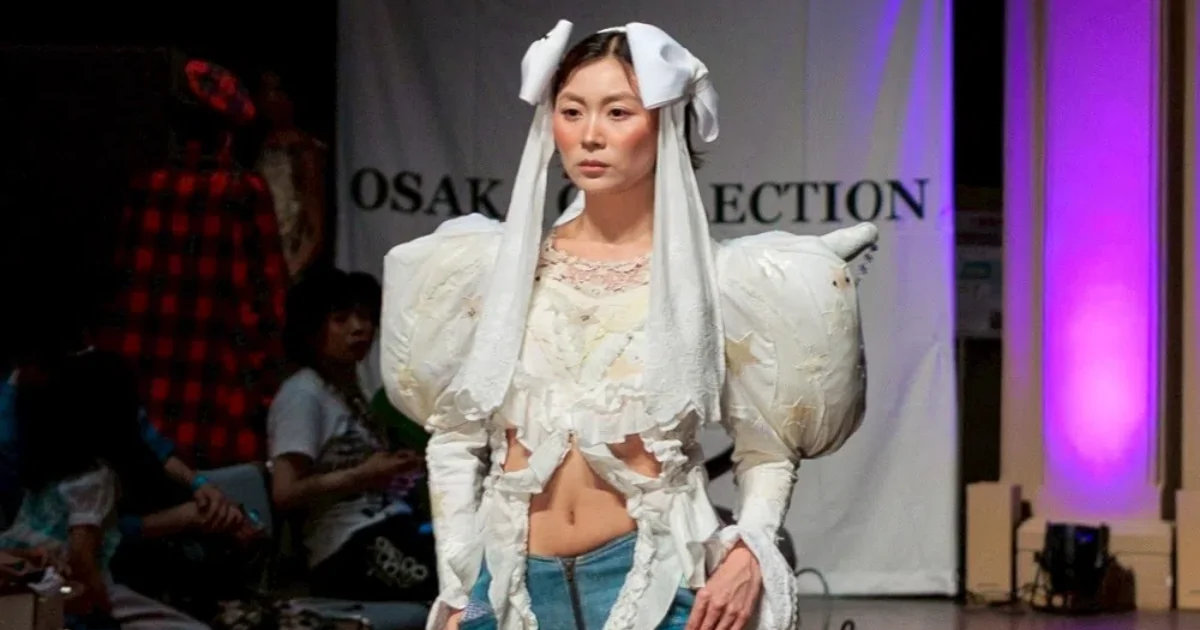
Usage and media: runway content often becomes marketing
Runway photos and videos are often used beyond the show day. Brands post highlights, designers reuse images in lookbooks, and media coverage stays online.
It is smart to define:
Where runway images will be posted
Whether footage will be used in paid promotions
How long the content will be used
Whether the model’s image will be used for brand campaigns beyond event recap
Clear usage planning avoids confusion and protects both sides.
Common mistakes brands make in fashion show casting
Most runway casting issues repeat:
Casting for look only and ignoring runway skill
Underestimating fittings and rehearsals, then scheduling chaos
Ignoring shoe comfort and walk readiness
Not communicating hair and makeup direction early
Poor backstage rules, leading to confusion and delays
Unclear usage plans for runway media
Fixing these creates a smoother show and better final coverage.
Work with Liliana Models for runway casting in Tokyo
If you are planning Japanese fashion show casting and need reliable runway models Tokyo for Tokyo Fashion Week, brand showcases, retail runway events, or presentation-style shows, Liliana Models can support casting and bookings with a structured process that respects fitting schedules and backstage workflow.
To explore potential runway talent, review the Models roster. If your show includes performance-led elements or presenter-style talent, you can also review the Talents roster. To align on overall production level and brand finish, review the Portfolio. When you are ready to request options and share fitting schedules, contact the team through the Contact page so the shortlist can be prepared quickly.
Planning a shoot in Japan? Our model casting in Japan page explains how conditions, usage terms and the booking process work. Consultation and quotes are free.
