


When a video made in another language goes to Japan, the voice is usually the part viewers notice first. Subtitles work for some content, but ads, e-learning, app tutorials and product videos tend to perform better with a Japanese voice. This guide explains how Japanese voice over recording works for localization projects, from the script to the delivered files.
You can hear the voices we work with on our narrator and voice actor casting page.
Where Japanese voice over is used
- Ads: TV commercials, YouTube and social media ads
- E-learning and training: courses, compliance training, onboarding videos
- Apps and devices: tutorials, in-app guidance, voice prompts
- Corporate video: company introductions, trade show videos, investor presentations
- Games and animation: character voices, usually with voice actors
For narration, you will usually work with a narrator. For characters with acting, you will work with a voice actor, called a seiyū (声優) in Japanese. Many performers do both, so tell us which one the project needs.
Preparing the Japanese script
The script decides most of the result. A direct translation of an English script often sounds stiff when it is read aloud.
Length
Japanese narration is usually planned in characters per minute, and around 300 characters per minute is a common working figure for clear narration. When a script has to fit fixed picture timing, check the length before the recording day. A script that is too long forces the narrator to rush, and the result sounds like a reading, not a voice over.
Names and readings
Brand names, product names and technical terms can often be read in more than one way in Japanese. Add the reading in katakana or hiragana next to each name, and mark the ones that must match an existing TV ad or website.
Tone
Japanese has polite and casual forms. Decide whether the voice speaks to the viewer politely, as most ads and training content do, or in a friendly casual tone, which suits some apps and social media ads.
Choosing a voice
Listen to voice samples rather than reading descriptions. On our site, many members have samples on their profiles. You can browse Japanese female voice over and Japanese male voice over artists.
When you send a request, these points help us shortlist:
- Female or male voice, and the age the voice should sound
- Tone: calm, warm, energetic, formal and so on
- A reference video or voice you like
- Approximate script length and the number of files
If you cannot decide from existing samples, a short custom audition with a part of your script is possible. Tell us when you ask for the quote.
Recording options
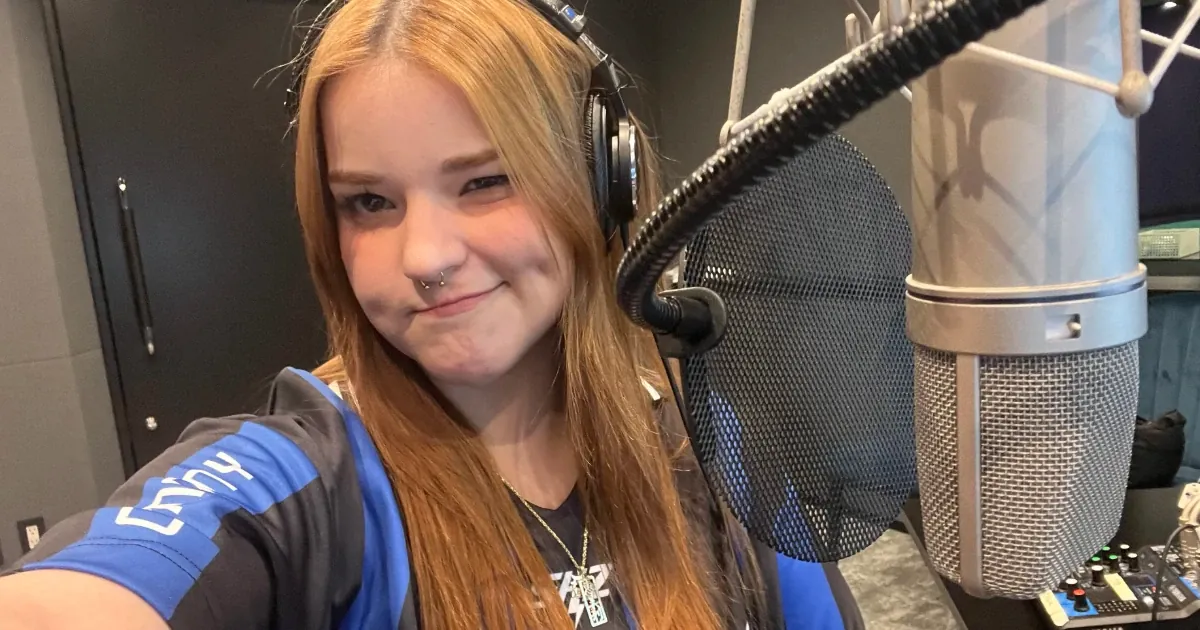
- Studio recording: the narrator records in a studio in Japan with an engineer. This suits TV, ads and projects where the client wants to direct the session.
- Home studio recording: some narrators record in their own sound-treated booth. This suits e-learning, app voice and long scripts with many files.
If your director does not speak Japanese, our staff can run the session in English, and we can arrange an interpreter when needed.

Delivery
Agree on the delivery format before recording:
- File format, for example WAV, and the sample rate
- One file per line or one file per scene
- File naming that matches your script numbers
- Whether you need raw files only, or edited files with breaths and noise removed
Corrections after delivery are much easier when the script has line numbers and the readings of names were confirmed in advance.
Usage terms for voice
Voice works like images. The fee depends on how the recording is used: the media, the period and the territory. A narration for an internal training video and the same voice in a nationwide TV ad are priced differently. Write down where the recording will be used when you ask for a quote. Our guide to usage rights in Japan covers how media, period and territory are set.
For English narration in Japan, see our page on native English narrators.
How to request a Japanese voice over from Liliana Models
Liliana Models is a model and talent agency in Tokyo whose members include narrators and voice actors. Our staff work in Japanese, English and Korean.
- Send the script or its length, the media, the period and the territory.
- We send a shortlist of voices with samples and a quote.
- You choose a voice, or ask for a short custom audition.
- We confirm the recording date, the recording option and the delivery format.
- The narrator records, and we deliver the files.
Consultation and quotes are free. Send us your project through the contact form.
Frequently asked questions
Can you translate our English script into Japanese?
Tell us when you send the project. A native Japanese check of the translated script before recording is strongly recommended, even when your team has already translated it.
Can the narrator record from home?
Some of our narrators record in their own sound-treated booths. For TV and large ads, studio recording is usually chosen.
Can we attend the recording?
Yes. Let us know when you book, so we can plan the session and arrange an interpreter if your team needs one.
